Table of Contents
When it comes to designing a functional and stylish bedroom, one of the most critical decisions you’ll face is choosing the right wardrobe material. Your choice affects not only the look and feel of the space but also the wardrobe’s durability and usability. Among the most popular options are MDF (Medium-Density Fiberboard) wardrobes and plywood wardrobes. Understanding the differences between these materials will help you make an informed decision that fits your lifestyle, budget, and design preferences.
What Are MDF Wood Wardrobes?
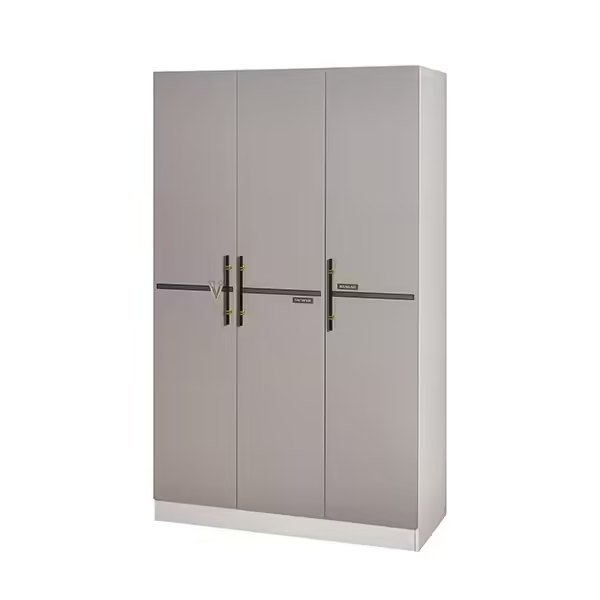
MDF, or Medium-Density Fiberboard, is engineered from finely ground wood fibers combined with resin and wax, then pressed under high heat and pressure into dense, smooth panels. This process creates a uniform texture that is ideal for flawless finishes.
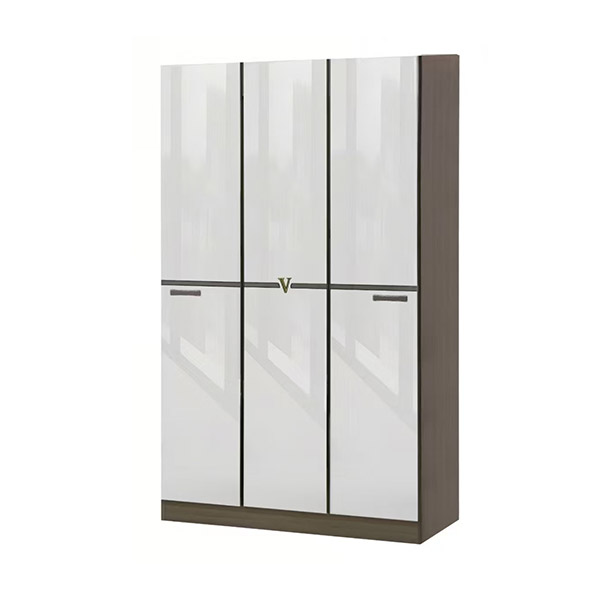
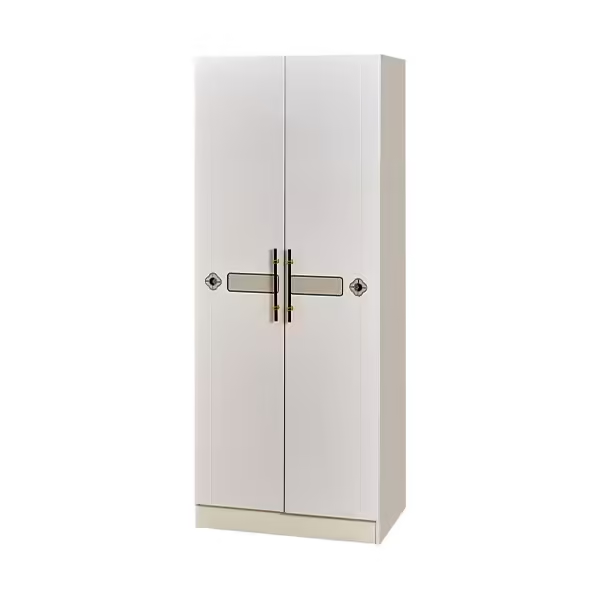
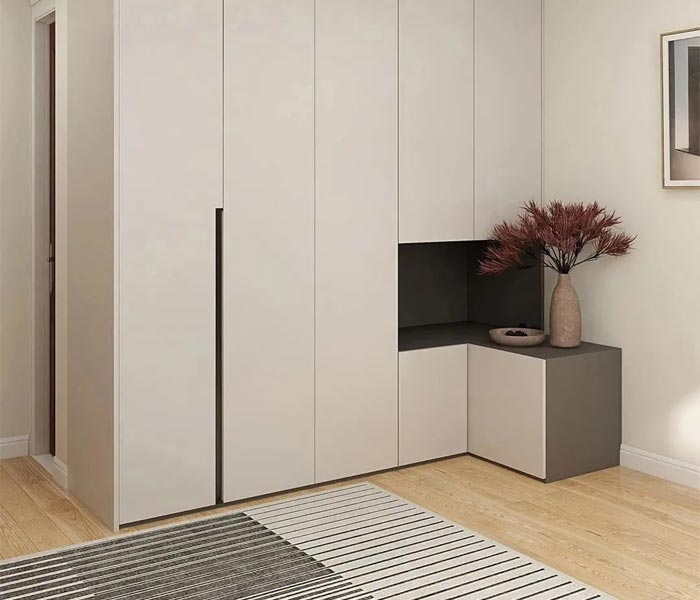
For wardrobes, this means MDF panels provide a sleek, modern look with clean lines and seamless surfaces. These wardrobes are perfect for contemporary bedrooms where a minimalist aesthetic and uniform finish are priorities.
Advantages of MDF Wood Wardrobes
- Smooth, Paintable Surface: MDF wardrobes can be coated with a variety of finishes, from matte to high gloss, creating a luxurious, seamless look.
- Cost-Effective: MDF is more affordable than plywood, allowing you to achieve high-end style without overspending.
- Uniform Texture: No knots or natural imperfections make it easier to achieve consistent finishes and clean edges.
- Customizable: Easy to cut, shape, and design, making it ideal for bespoke wardrobes with multiple compartments.
Limitations of MDF
- Lower Moisture Resistance: MDF can swell if exposed to water over time, so it’s best for dry areas.
- Weight and Strength: While dense, MDF is less robust than plywood, so extra care is needed for heavy shelving or hanging items.
- Potential Formaldehyde Emissions: Ensure you select E0 or low-emission MDF to avoid health risks.
What Are Plywood Wood Wardrobes?
Plywood is made by gluing together multiple thin layers of wood veneer, with the grain of each layer oriented in opposite directions. This cross-lamination gives plywood exceptional strength, stability, and resistance to warping.
Plywood wardrobes are known for their durability and ability to withstand heavy use. They are particularly suitable for larger wardrobes with multiple hanging areas, shelves, and drawers. Additionally, plywood retains the natural wood grain, which adds warmth and a timeless aesthetic to any bedroom.
Advantages of Plywood Wardrobes
- High Strength and Durability: Can handle heavy clothing, shoes, and accessories without sagging.
- Moisture Resistance: More resistant to humidity, ideal for bedrooms in damp climates.
- Natural Wood Aesthetic: Beautiful grain patterns can be stained or painted for a luxurious look.
Limitations of Plywood
- Higher Cost: Plywood is generally more expensive than MDF.
- Edge Treatment Needed: Exposed edges need veneers or sealants to prevent splintering.
- Harder to Work With: Cutting and shaping plywood requires careful handling to avoid splintering or cracking.
MDF vs Plywood: Key Comparisons for Wood Wardrobes
To choose the right wardrobe for your home, it’s essential to understand the differences between MDF and plywood. Here’s a detailed comparison:
| Feature | MDF Wardrobes | Plywood Wardrobes |
|---|---|---|
| Strength & Durability | Moderate; suitable for light to medium storage | High; ideal for heavy storage and shelving |
| Moisture Resistance | Low; prone to swelling if exposed to water | High; resists warping and moisture damage |
| Surface Finish | Smooth, uniform, easy to paint | Natural wood grain; may require sanding and finishing |
| Cost | Affordable | Higher cost |
| Ease of Customization | Easy to cut and shape | Harder to modify; requires careful handling |
| Environmental Impact | Often made from recycled wood fibers; low-emission options available | Renewable if FSC-certified; production requires timber harvesting |
| Ideal For | Modern, minimalist designs; dry environments | Traditional or luxury designs; high-use wardrobes or humid regions |
From this comparison, it’s clear that MDF wardrobes are ideal for homeowners who prioritize design flexibility, smooth finishes, and budget-friendliness, while plywood is better for heavy-duty durability and moisture-prone areas.
Why Choose Our MDF Wood Wardrobes
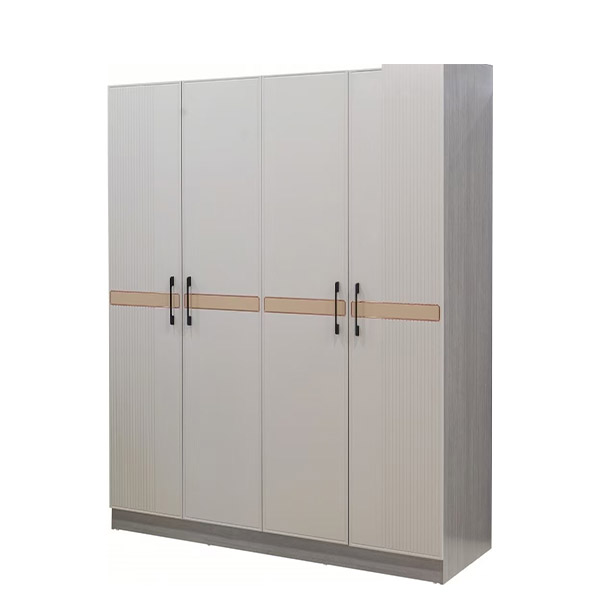
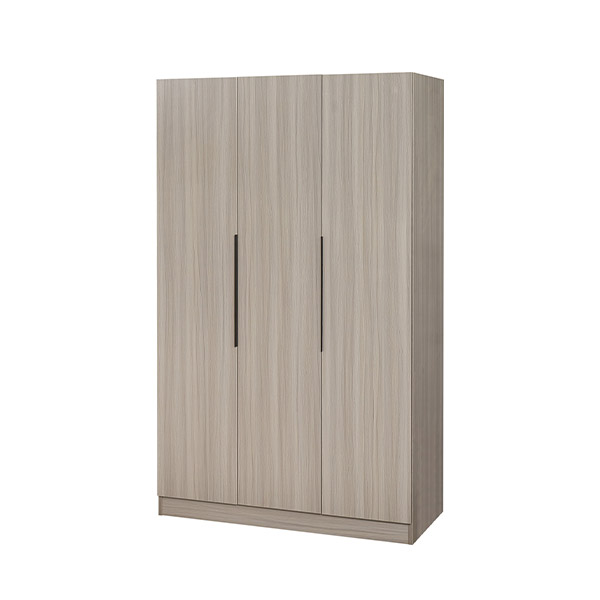
Our MDF wood wardrobes combine style, practicality, and long-lasting performance. Here’s what makes them stand out:
- Environmentally Friendly and Safe: Constructed from E0-grade MDF, our wardrobes use non-toxic, low-emission paints, ensuring safety for your family.
- Durable Structure: Reinforced panels and high-strength hardware make the wardrobe sturdy, capable of handling multiple hanging areas and adjustable shelves.
- Smart Storage Design: Thoughtfully designed compartments include multiple hanging sections, adjustable shelving, and drawers, accommodating clothes, shoes, and accessories efficiently.
- Stylish Finish: Smooth, easy-to-clean surfaces with modern minimalist doors enhance bedroom aesthetics while saving space.
- Moisture & Scratch Resistant: UV-coated finishes maintain a glossy look and resist daily wear and tear.
- Flexible Styles: From modern minimalism to luxurious elegance, our MDF wardrobes match diverse bedroom decor preferences.
Case Study: Maximizing Bedroom Space with MDF Wardrobes
A young couple in New York wanted a wardrobe that maximized storage in their small bedroom while maintaining a sleek, modern aesthetic. They chose a floor-to-ceiling MDF wardrobe with multiple hanging zones, drawers, and shelves.
Results:
- 50% more storage capacity compared to their previous plywood wardrobe.
- Easier maintenance, with the smooth surface allowing quick cleaning of dust and spills.
- Modern appearance, which enhanced the room’s visual appeal without cluttering the space.
MDF vs Plywood: Durability Data Comparison
| Test | MDF Wardrobes | Plywood Wardrobes |
|---|---|---|
| Weight Load (kg) per Shelf | 20 | 35 |
| Humidity Test (RH 80%) | Slight swelling after 72 hours | Minimal swelling after 72 hours |
| Scratch Resistance | Moderate; UV coating helps | High; natural wood harder surface |
| Maintenance Effort | Low | Moderate |
| Average Lifespan | 10–15 years | 15–20 years |
This table highlights that while plywood has slightly higher durability, modern MDF wardrobes with protective coatings perform exceptionally well in everyday use.
Tips for Choosing the Right MDF Wardrobe
- Assess Your Storage Needs: Consider hanging space, shelves, and drawer compartments. Our modular MDF wardrobes allow customization based on your wardrobe collection.
- Consider Bedroom Conditions: Use MDF wardrobes in dry rooms; for humid regions, choose MDF with moisture-resistant treatment.
- Design Style: MDF is perfect for seamless, minimalist designs or high-gloss contemporary finishes.
- Budget vs Longevity: MDF wardrobes offer excellent value for stylish storage with long-term usability when properly maintained.
Conclusion
Choosing the right wardrobe material depends on your style preferences, storage needs, and room environment. MDF wardrobes provide an excellent balance of elegance, functionality, and affordability, making them a smart choice for modern bedrooms. With our expertly designed MDF wardrobes, you get smooth finishes, versatile storage, and a durable structure that will keep your wardrobe organized and your bedroom looking stylish for years to come.
FAQ
Can MDF wardrobes withstand heavy clothes?
Yes, our reinforced MDF wardrobes support multiple hanging zones, but avoid overloading shelves beyond recommended weight.
Are MDF wardrobes environmentally safe?
Absolutely. We use E0-grade low-emission MDF and non-toxic finishes.
How do I clean an MDF wardrobe?
Use a soft, damp cloth. Avoid excessive water, and dry immediately.
Can MDF wardrobes be customized?
Yes, MDF is easy to cut, paint, and shape, making it ideal for bespoke designs.
What’s the difference between MDF and plywood for wardrobes?
MDF is smoother, more affordable, and easier to customize; plywood is stronger and better for high-humidity areas.
How long do MDF wardrobes last?
With proper care and UV-coated surfaces, MDF wardrobes can last 10–15 years, sometimes longer in dry conditions.