Table of Contents
Introduction
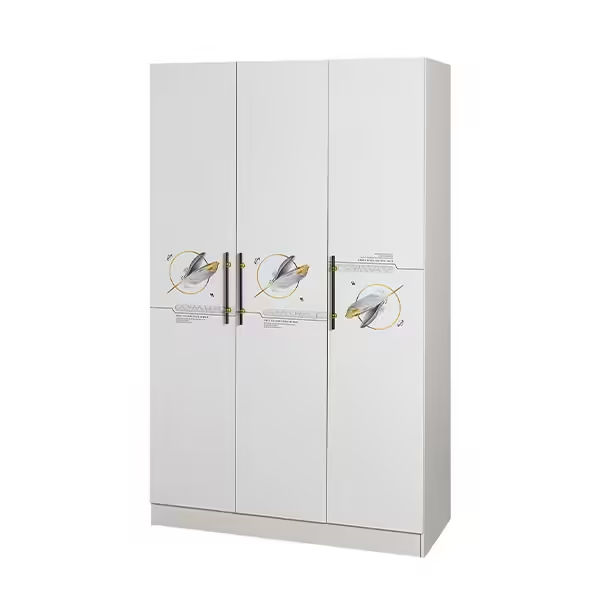
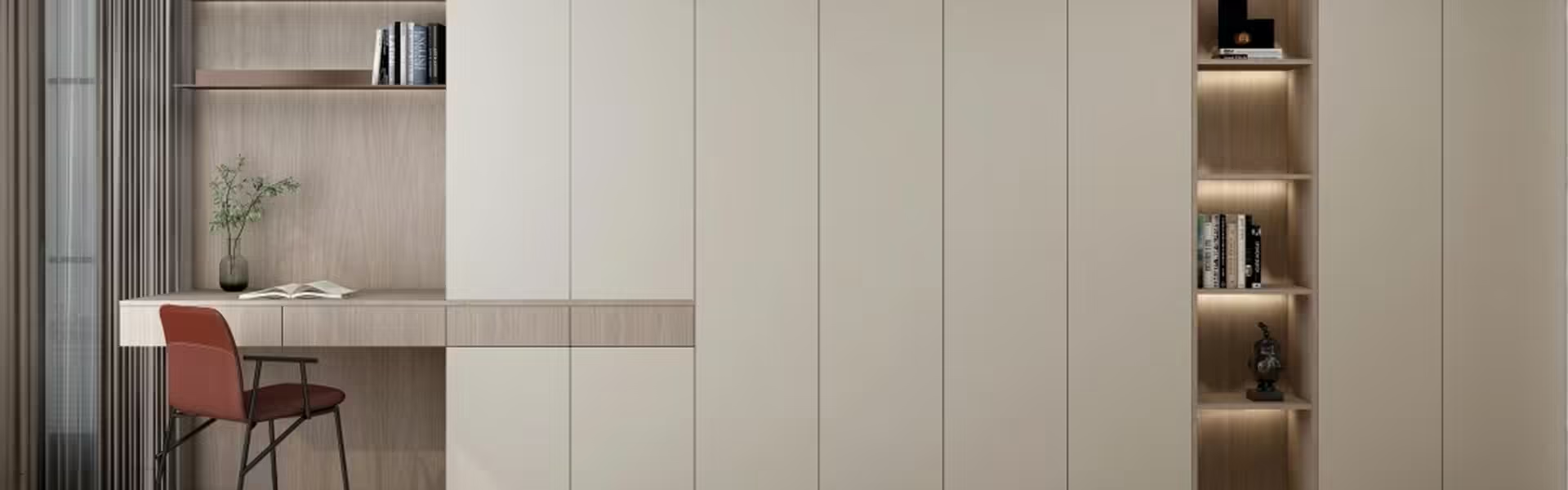
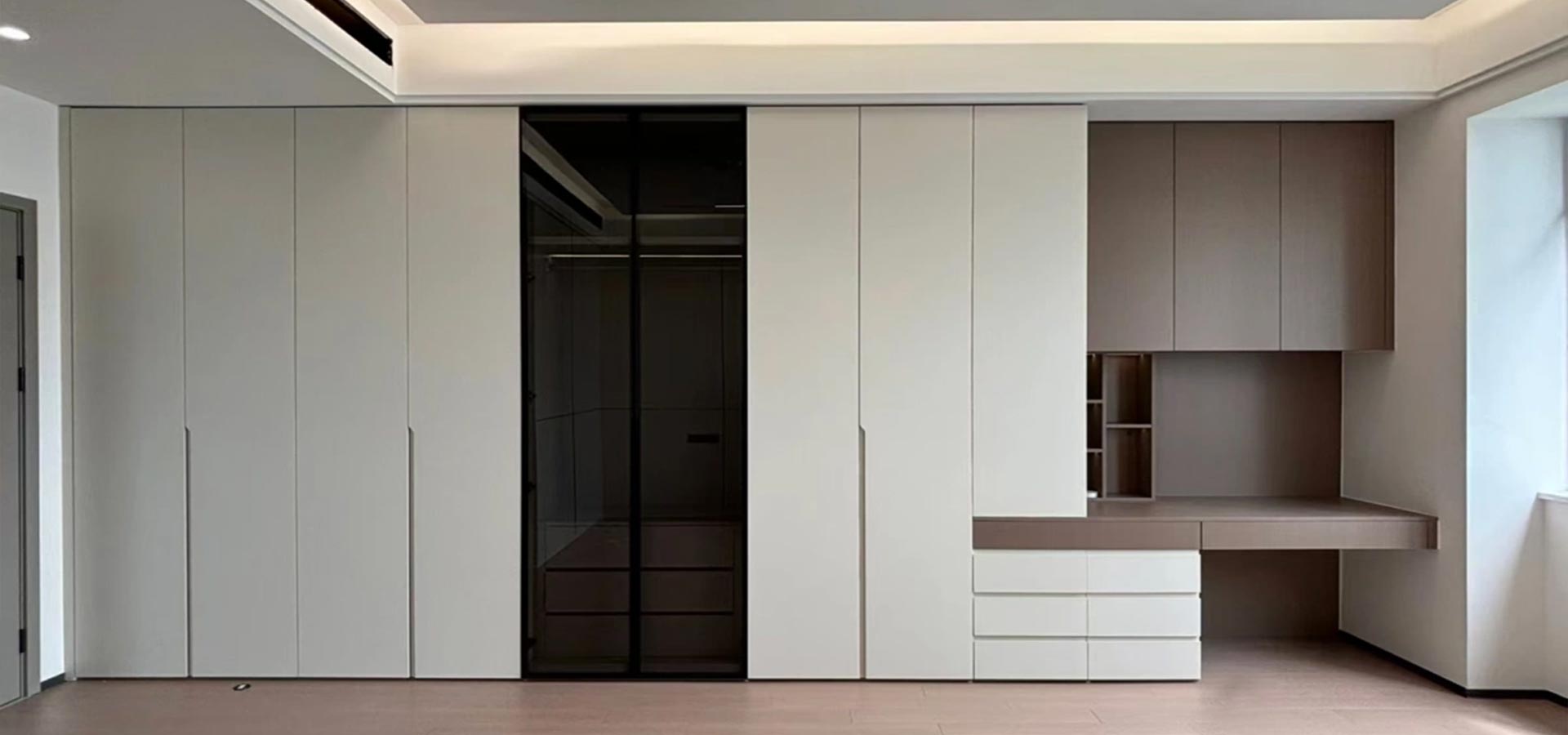
Floor to ceiling wardrobes are vertical storage solutions that maximize your space by extending from the floor all the way to the ceiling. They are not only practical but also enhance the aesthetic appeal of a room. Choosing the right material is crucial because it affects the wardrobe’s durability, appearance, maintenance, and overall value. In this guide, we explore the most common materials used for floor to ceiling wardrobes, highlighting their advantages, drawbacks, and practical applications.
Solid Wood Wardrobes
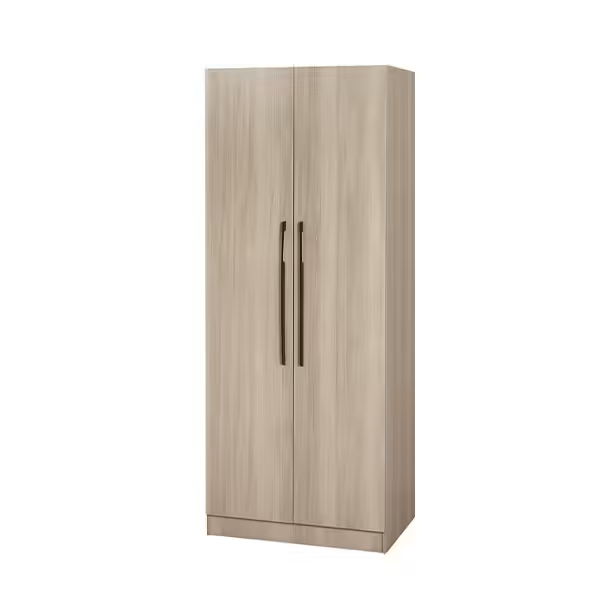
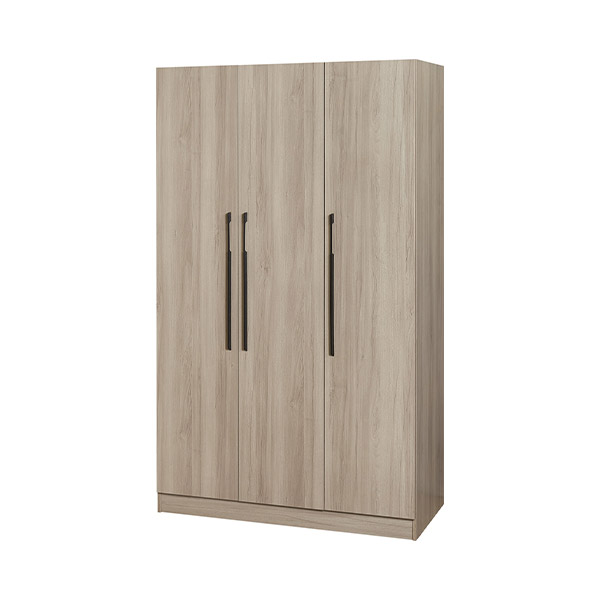
Solid wood is one of the most popular materials for high-end floor to ceiling wardrobes. Types such as oak, maple, pine, and walnut are widely used. Solid wood is extremely durable, can withstand heavy use, and offers a timeless, natural look. The cost is higher compared to other materials, but it’s an investment that lasts decades. According to furniture durability studies, solid wood wardrobes can last over 50 years with proper care.
Engineered Wood Wardrobes
Engineered wood includes materials such as Medium-Density Fiberboard (MDF), particleboard, and plywood. These materials are affordable, lightweight, and easy to work with. They allow for consistent finishes and modern designs but are generally less durable than solid wood. Moisture resistance can also be a concern for certain engineered wood types.
Metal Floor to Ceiling Wardrobes
Metal wardrobes, commonly made from steel or aluminum, are ideal for modern and industrial-style interiors. They are strong, resistant to wear, and can support heavy loads. Metal wardrobes often feature powder-coated finishes to prevent rust. They are low-maintenance and long-lasting, making them suitable for high-traffic areas.
Glass and Mirrored Wardrobes
Glass and mirrored panels are often used in floor to ceiling wardrobes to make rooms appear larger and brighter. Tempered glass provides safety, while mirrored wardrobes serve both functional and aesthetic purposes. They are ideal for bedrooms where maximizing visual space is important. However, glass requires regular cleaning and care to maintain its clarity.
Combination Materials
Hybrid wardrobes combine wood, metal, and glass to achieve both strength and style. For instance, a solid wood frame with mirrored sliding doors combines durability with visual appeal. Combination materials allow for customization and innovative designs while optimizing storage functionality.
Eco-Friendly and Sustainable Options
Increasingly, consumers are choosing sustainable materials for their wardrobes. Options include bamboo, reclaimed wood, and low-VOC engineered boards. These materials reduce environmental impact while maintaining durability and style. Studies show that eco-friendly furniture is becoming a key factor in purchasing decisions, reflecting a growing demand for sustainable living solutions.
Material Selection Based on Room Type
The choice of material depends on your room size, usage, and climate conditions. Bedrooms with high humidity might benefit from moisture-resistant engineered wood or metal. Smaller rooms can use mirrored or glass wardrobes to create the illusion of space. It’s important to match the wardrobe material with your interior design style—modern, classic, minimalist, or industrial.
Comparison of Floor to Ceiling Wardrobe Materials
| Material Type | Durability | Maintenance | Best For |
|---|---|---|---|
| Solid Wood | Very High | Moderate | Classic, high-end bedrooms |
| Engineered Wood (MDF) | Medium | Low | Budget-friendly, modern |
| Metal | High | Low | Industrial, heavy-use areas |
| Glass / Mirrored | Medium-High | High | Small rooms, visual appeal |
| Combination Materials | High | Moderate | Custom, designer homes |
| Eco-Friendly Materials | Medium-High | Moderate | Sustainable, health-conscious |
Maintenance and Longevity Tips
- Solid wood: polish and treat periodically to prevent cracks
- Engineered wood: avoid excessive moisture, use gentle cleaners
- Metal: wipe with a dry cloth, check for rust spots
- Glass / Mirrored: clean with glass-safe solutions to avoid streaks
- Combination: follow care instructions for each material component
Proper maintenance ensures your floor to ceiling wardrobe lasts decades and retains its aesthetic appeal.
Expert Recommendations for Choosing the Right Material
- Consider your budget, room size, and lifestyle needs
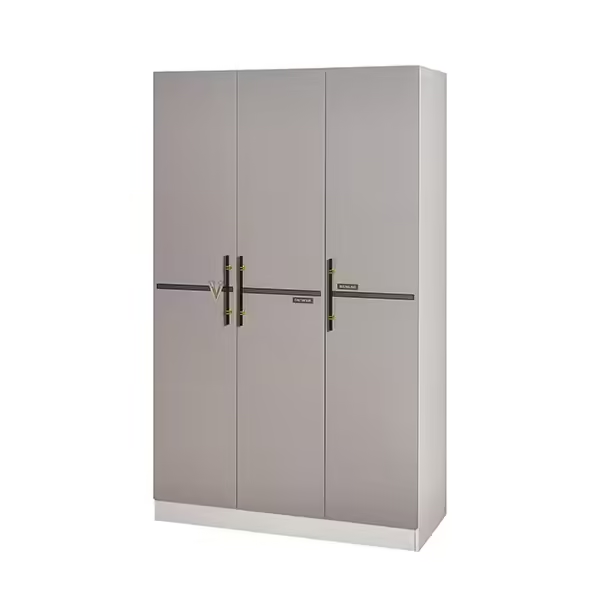
- For durability, solid wood or metal is ideal
- For style and light reflection, mirrored or glass panels are best
- For sustainable choices, eco-friendly engineered wood or bamboo works well
- Avoid compromising functionality for aesthetics—ensure interior layout fits your storage needs
Conclusion
Selecting the right material for your floor to ceiling wardrobes is key to achieving both durability and style. Whether you choose solid wood for longevity, engineered wood for affordability, metal for strength, or glass and mirrored panels for visual impact, understanding each material’s advantages ensures you make the best choice for your space. A well-chosen wardrobe not only maximizes storage but also enhances the overall design and functionality of your home.
FAQ
What are floor to ceiling wardrobes?
Floor to ceiling wardrobes are storage units that extend from the floor to the ceiling, maximizing vertical space and providing a sleek, organized look for any bedroom or closet area.
Which materials are best for floor to ceiling wardrobes?
Common materials include solid wood for durability, engineered wood for affordability, metal for strength, and glass or mirrored panels to enhance space and light in the room.
Can floor to ceiling wardrobes be customized?
Yes, many suppliers offer customization, allowing you to choose dimensions, materials, door styles, and interior layouts to fit your specific storage needs and design preferences.
Are floor to ceiling wardrobes suitable for small rooms?
Absolutely. Mirrored or glass-front floor to ceiling wardrobes can visually enlarge a space while providing ample storage without occupying additional floor area.
Do floor to ceiling wardrobes require professional installation?
Professional installation is recommended, especially for tall units, to ensure safety, stability, and proper alignment, particularly when dealing with heavy or multi-material wardrobes.
Need Help Choosing the Right Floor to Ceiling Wardrobe?
If you’re unsure which material, style, or design is best for your room, our experts are here to help. Contact us today for a personalized consultation, and ensure your wardrobe fits perfectly, looks stunning, and maximizes your storage space. Don’t wait—get in touch now to transform your home with the ideal floor to ceiling wardrobe!