Table of Contents
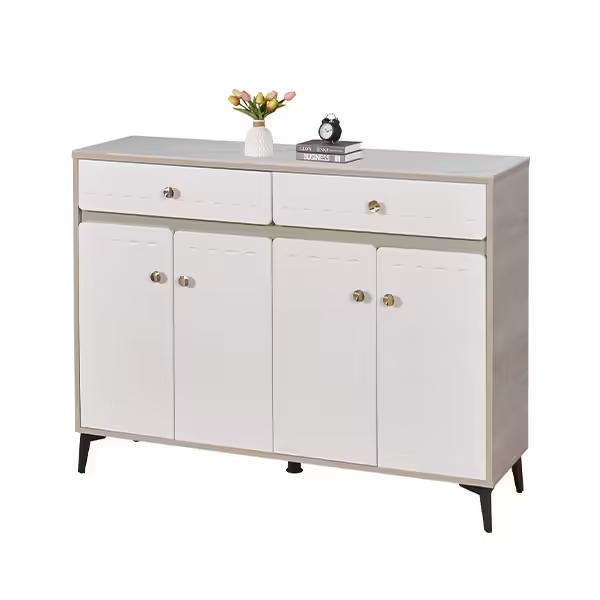
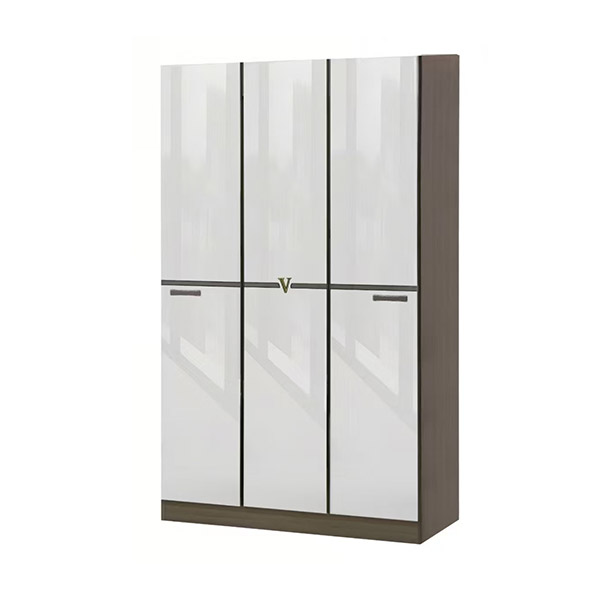
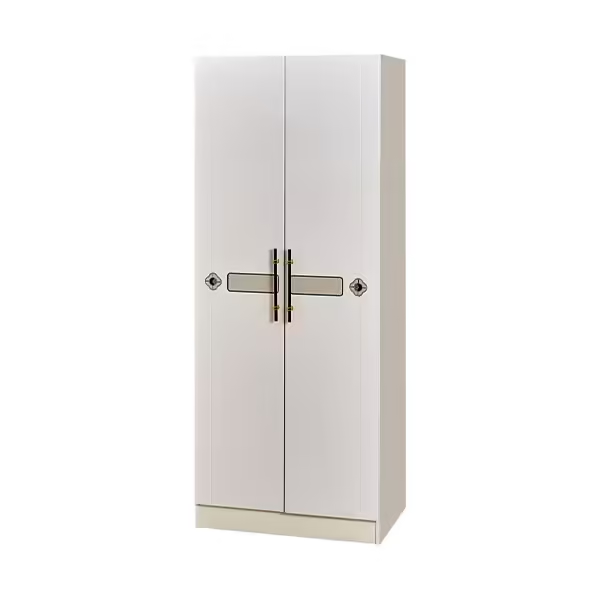
When you’re selecting a wardrobe for your home, the materials matter as much as the design. You want a wardrobe that is durable, stylish, and, importantly, safe for your family and the environment. That’s why medium-density fiberboard (MDF) has become a popular choice among homeowners and designers looking for eco-friendly solutions.
In this article, you’ll learn why MDF is the perfect material for modern wardrobes, how it contributes to sustainability, and how to maximize functionality and style in your home. We’ll include practical examples, material comparisons, and actionable tips so that you can make informed decisions for your next wardrobe purchase.
What is Medium Density Fiberboard (MDF)?
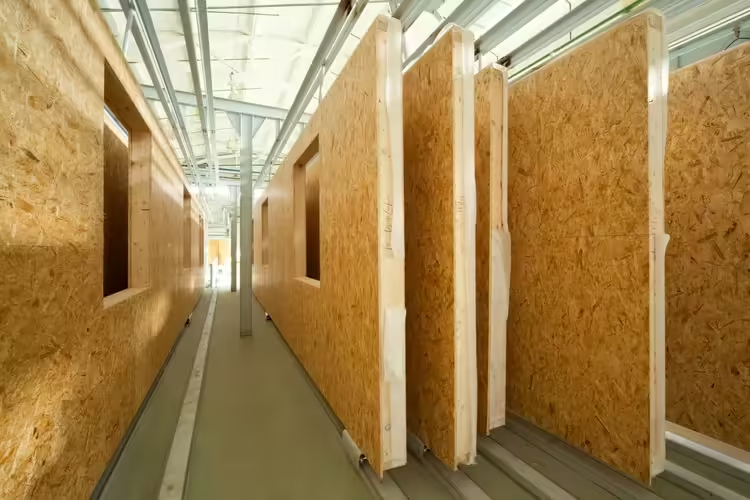
Medium-density fiberboard (MDF) is an engineered wood product made from wood fibers, resin, and compressed under heat and pressure. Unlike solid wood, MDF is highly uniform, which means it has no knots or grain inconsistencies. This makes it ideal for smooth surfaces, painting, or laminating.
Key advantages of MDF include:
- Consistency and uniformity
- Ease of machining and customization
- Smooth surface suitable for high-quality finishes
- Cost-effective compared to solid wood
- Environmentally responsible when sourced correctly
For more on the environmental impact of engineered wood products, see Woodworking Network.
Why Medium Density Fiberboard is an Eco-Friendly Choice for Wardrobes
When it comes to sustainability, MDF has clear advantages over traditional solid wood:
- Uses recycled wood fibers: MDF production reclaims wood byproducts that might otherwise be discarded.
- No harmful paints or finishes needed: Our wardrobes use unpainted, low-emission MDF, which means no volatile organic compounds (VOCs) and no lingering odors.
- Efficient manufacturing: Engineered boards reduce waste compared to cutting solid planks.
Choosing MDF allows you to invest in a modern wardrobe that is both functional and environmentally responsible, without compromising aesthetics.
For details on eco-certifications and sustainable wood sourcing, refer to the Forest Stewardship Council.
Comparing MDF to Other Materials
Not all wardrobe materials are created equal. Here’s a quick comparison:
| Material | Environmental Impact | Durability | Surface Finish | Cost |
|---|---|---|---|---|
| MDF (Unpainted, Eco) | Low; uses recycled fibers | High; resists warping | Smooth; ideal for laminates | Moderate |
| Solid Wood | Medium; uses trees directly | Very high | Natural wood grain | High |
| Particleboard | Medium; may contain adhesives | Medium | Rough; needs veneer | Low |
| Laminated Plywood | Medium; often glued with VOCs | High | Smooth; easy to clean | Moderate |
As you can see, eco-friendly MDF strikes a balance between cost, durability, and environmental responsibility, making it an excellent choice for contemporary wardrobes.
Practical Benefits of Medium Density Fiberboard in Wardrobe Design
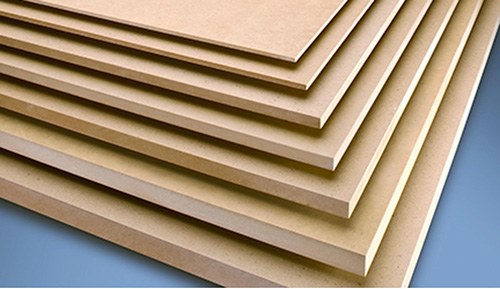
When you select a wardrobe made from MDF, you enjoy practical advantages beyond sustainability:
- Precision cutting and assembly: MDF boards are uniform, ensuring tight seams and easy installation.
- Customizable storage solutions: You can create modular shelves, pull-out drawers, and dedicated compartments for shoes, accessories, and clothing.
- Maintenance-friendly surfaces: Unpainted or laminated MDF is easy to clean with a damp cloth, and it resists stains and scratches.
- Consistent aesthetic: Smooth surfaces allow for modern designs without the visual inconsistencies of natural wood knots.
A well-designed MDF wardrobe provides long-term functionality, whether you’re optimizing a small bedroom or a spacious walk-in closet.
Case Study: Eco-Friendly Wardrobe Installation
A family wanted a modern, sustainable wardrobe for their bedroom. They chose a custom medium density fiberboard wardrobe with the following specifications:
- Floor-to-ceiling design to maximize vertical storage
- Adjustable shelves for shoes and folded clothes
- Pull-out drawers for accessories and small items
- Unpainted, low-emission MDF surface
Within one week, the wardrobe was installed. The family reported:
- No noticeable odors from the material
- Efficient storage, reducing clutter by 40%
- Smooth and easy-to-clean surfaces
This example demonstrates that medium density fiberboard can combine eco-friendliness, design flexibility, and long-term usability.
How to Maintain an MDF Wardrobe
Maintaining an medium density fiberboard wardrobe is simple:
- Wipe surfaces with a slightly damp microfiber cloth regularly
- Avoid excessive water to prevent swelling at edges
- Check drawer mechanisms periodically to ensure smooth operation
- Rotate seasonal items to reduce wear in high-use compartments
By following these steps, your MDF wardrobe will maintain its aesthetic and functional value for years.
Choosing an MDF Wardrobe for Modern Homes
When considering a wardrobe, ask yourself:
- Do you need floor-to-ceiling storage for maximum efficiency?
- Would modular compartments for shoes, bags, and accessories help organize your space?
- Are you looking for a sustainable, low-VOC material that is safe for children and pets?
- Do you prefer a minimalist, contemporary design that complements modern interiors?
Answering these questions will help you choose an MDF wardrobe that meets both functional and environmental goals.
Technology and Modern Features
Some MDF wardrobes now integrate modern storage innovations:
- Motion-activated interior lighting
- Soft-close drawers and doors
- Smart wardrobe tracking systems to log clothing items
These features enhance usability without compromising the material’s eco-friendly credentials.
FAQ
What is medium density fiberboard (MDF)?
MDF is an engineered wood product made of wood fibers and resin, compressed to form uniform boards ideal for furniture.
Is MDF safe for indoor use?
Yes, when made with low-emission adhesives and finishes, MDF is safe and odor-free for indoor environments.
How durable is medium density fiberboard compared to solid wood?
High-quality MDF is strong, resists warping, and is ideal for modern wardrobes when used properly.
Can I customize an MDF wardrobe?
Absolutely. MDF is easy to cut and shape, making it ideal for modular and bespoke wardrobe designs.
Is medium density fiberboard environmentally friendly?
Yes. Using recycled wood fibers and low-VOC adhesives reduces environmental impact compared to solid wood or particleboard.