Table of Contents
Introduction
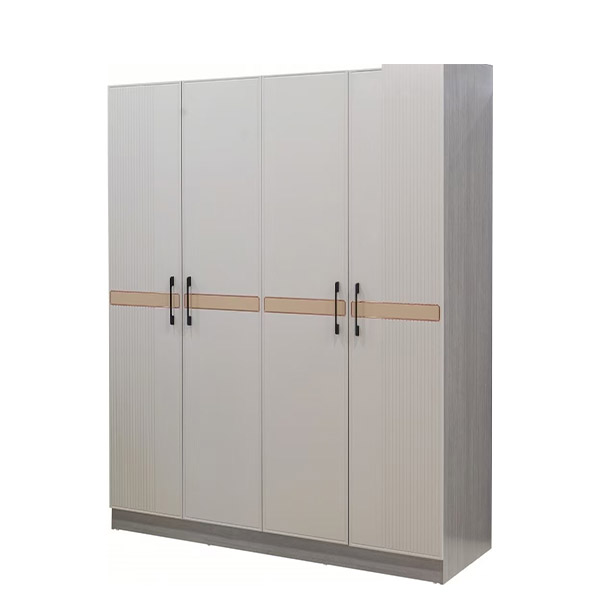
Wardrobe armoires have become an essential furniture solution for modern living spaces because they combine storage functionality with elegant interior design. Unlike simple cabinets, wardrobe armoires are designed to organize clothing, accessories, and personal belongings through a combination of hanging areas, shelves, drawers, and enclosed compartments.
For homeowners, interior designers, furniture retailers, and project buyers, selecting the right wardrobe armoires requires a deeper understanding of materials, construction methods, design styles, and storage planning. A high-quality wardrobe armoire is not only a storage unit but also an important part of the overall room environment, influencing both practicality and visual appeal.
With changing lifestyles and increasing demand for personalized furniture solutions, wardrobe armoires are widely used in bedrooms, apartments, hospitality environments, and customized furniture projects. Understanding the differences between materials, layouts, and manufacturing processes helps buyers make better decisions and choose furniture solutions that provide long-term value.
Understanding What Wardrobe Armoires Are and Why They Matter
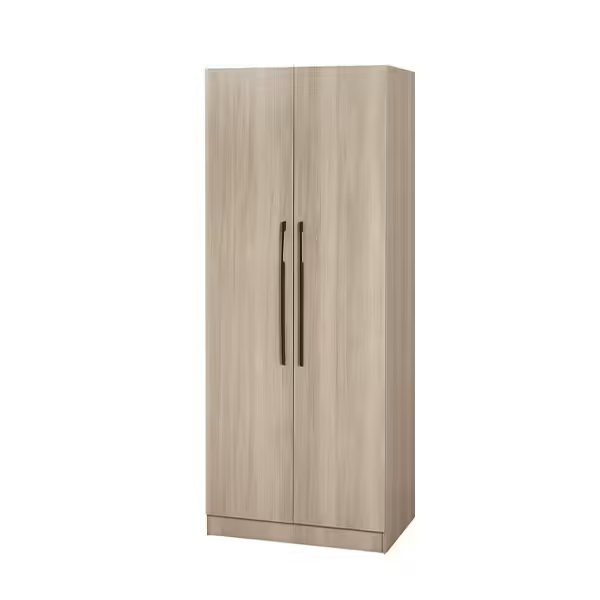
Wardrobe armoires are freestanding furniture pieces designed specifically for clothing storage and organization. They usually include multiple functional sections such as hanging spaces for garments, shelves for folded clothes, drawers for accessories, and compartments for personal items.
The concept of an armoire has developed over centuries. Traditionally, armoires were large storage cabinets used for keeping clothing and valuable household items. Today, modern wardrobe armoires combine traditional storage concepts with contemporary furniture design, offering improved organization and more flexible applications.
The development of wardrobe furniture has always been closely connected with lifestyle changes. According to information about wardrobe furniture history, wardrobes have evolved from simple storage cabinets into multifunctional furniture solutions that meet different space and organization needs.
Compared with built-in closets, wardrobe armoires provide greater flexibility because they can be moved, customized, and adapted to different room layouts. This makes them suitable for spaces where permanent storage systems may not be practical.
For furniture businesses and project developers, wardrobe armoires also provide opportunities for customized designs. Manufacturers with professional experience in wardrobe furniture manufacturing can develop different structures, finishes, and configurations according to specific application requirements.
Common Materials Used for Wardrobe Armoires
Material selection plays a major role in determining the durability, appearance, and performance of wardrobe armoires. Different materials provide different advantages, and the right choice depends on design requirements, usage conditions, and manufacturing goals.
| Material Type | Main Features | Common Applications |
|---|---|---|
| Solid Wood | Natural texture, strong structure, premium appearance | Residential furniture and customized designs |
| Engineered Wood Panels | Stable performance, flexible processing, various finishes | Modern furniture collections |
| MDF and Particle Board | Smooth surfaces, easy decoration options | Functional storage furniture |
| Metal Hardware Components | Improves operation and structural reliability | Hinges, handles, and connection systems |
Solid wood remains a preferred choice for buyers who value natural appearance and long-lasting performance. Its unique grain patterns create a warm and premium feeling, making it suitable for furniture designs that emphasize craftsmanship.
Engineered wood materials have also become widely used in modern furniture manufacturing. They provide consistent dimensions, efficient production, and flexible surface treatments. These characteristics allow manufacturers to create wardrobe armoires with different colors, textures, and styles while maintaining stable quality.
Hardware components are another important factor that affects daily performance. High-quality hinges, drawer systems, and connection parts improve durability and ensure smoother operation during long-term use.
Popular Wardrobe Armoires Designs for Different Spaces
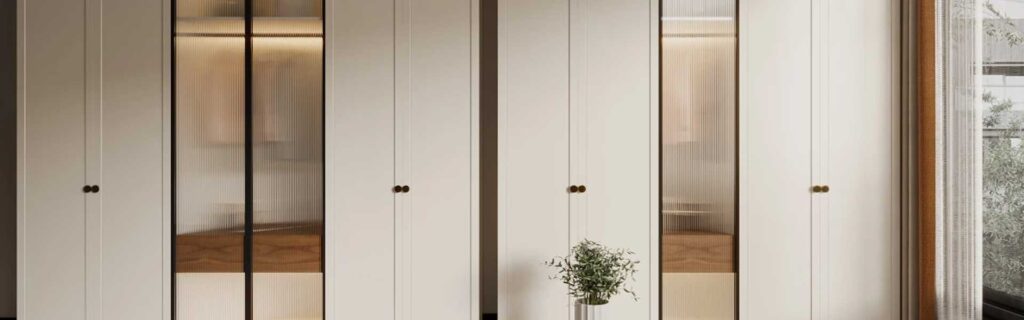
The design of wardrobe armoires should balance appearance, storage capacity, and user convenience. Different spaces require different design approaches, which is why modern furniture manufacturers provide various styles and customization options.
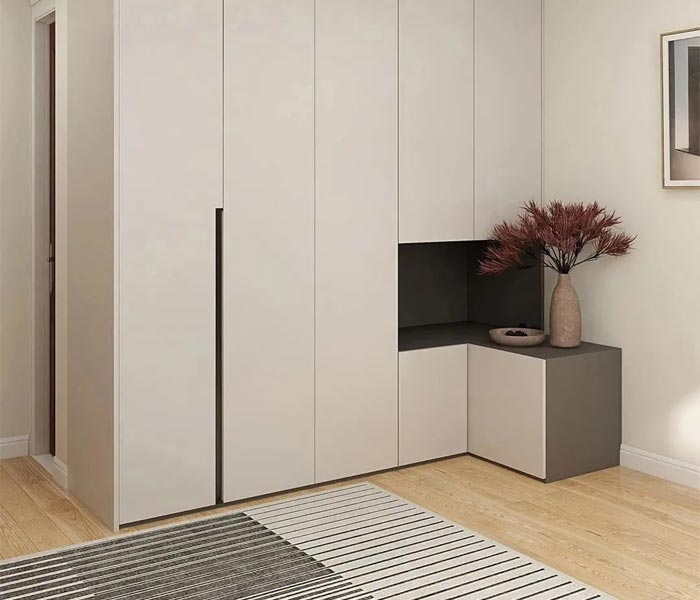
Modern minimalist wardrobe armoires focus on clean lines, simple structures, and practical layouts. These designs are often suitable for contemporary interiors where users prefer a neat and organized appearance.
Classic wardrobe designs usually include decorative details, traditional finishes, and larger storage areas. They are often selected for interiors that require a more elegant furniture style.
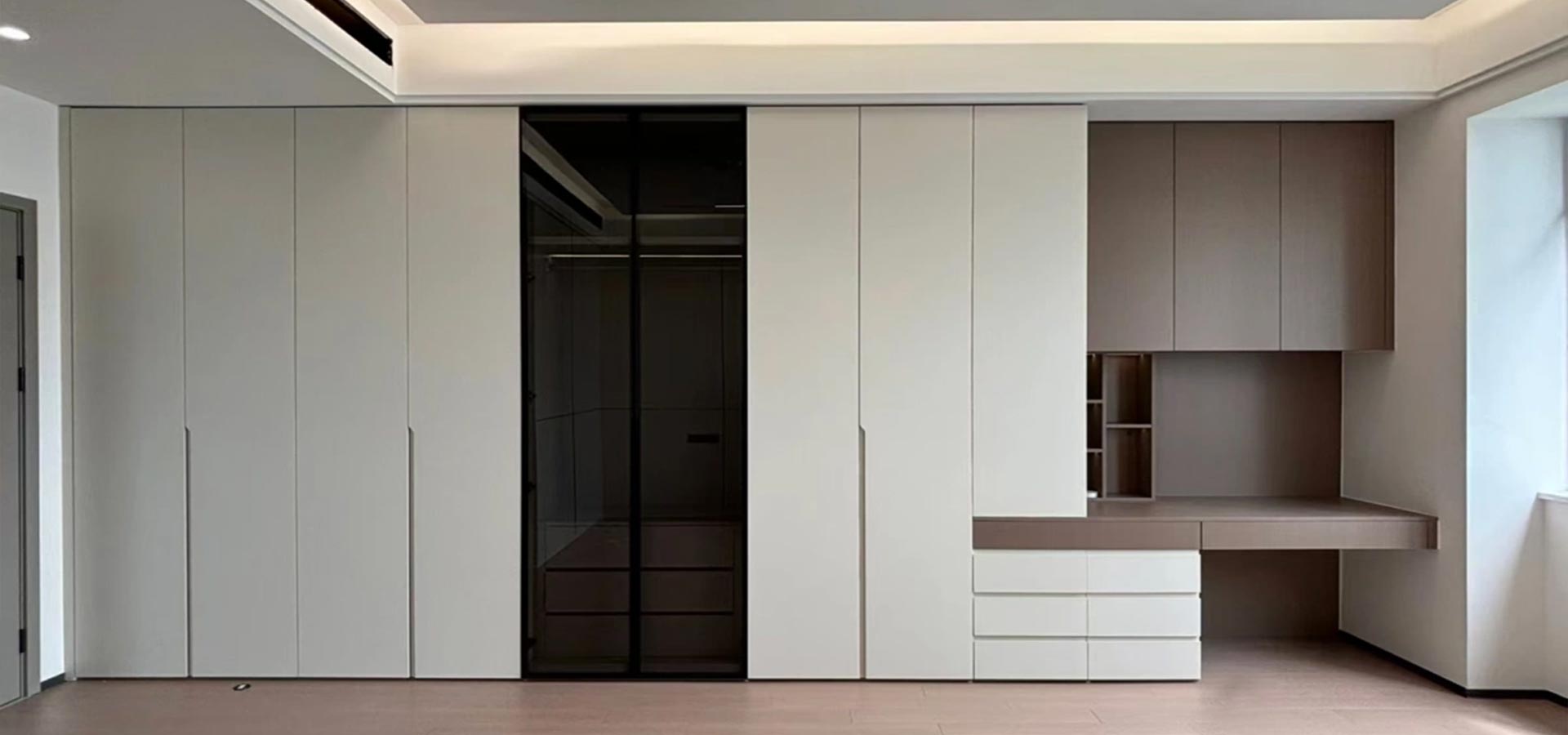
Customized wardrobe armoires offer greater flexibility because dimensions, internal layouts, colors, and finishes can be adjusted according to project requirements. This is particularly valuable for furniture projects where standard products cannot fully match the available space.
A well-designed wardrobe armoire should consider not only external appearance but also internal usability. Efficient space planning allows users to easily organize different types of clothing and personal belongings.
How Storage Solutions Improve Wardrobe Armoires Functionality
The biggest advantage of wardrobe armoires is their ability to provide organized storage within a single furniture unit. A thoughtful internal structure can significantly improve daily convenience.
Common storage configurations include:
- Hanging areas for coats, shirts, dresses, and formal clothing
- Shelves for folded garments and accessories
- Drawers for smaller personal items
- Adjustable compartments for changing storage requirements
Modern furniture design increasingly focuses on user-centered storage solutions. Instead of simply increasing storage capacity, manufacturers are paying more attention to accessibility and organization.
For example, adjustable shelving allows users to modify internal space according to different seasons or storage habits. Drawer systems with smooth operation improve usability, while durable hardware helps maintain consistent performance.
For commercial furniture projects, efficient storage design can also improve user experience. In hospitality environments, well-planned wardrobe armoires help create comfortable and functional guest spaces.
Key Factors to Consider When Choosing Wardrobe Armoires
Choosing suitable wardrobe armoires requires evaluating several important factors beyond visual appearance.
The first consideration is size. A wardrobe armoire should match the available space while providing enough storage capacity. Oversized furniture may reduce room flexibility, while insufficient storage can affect daily organization.
Material quality is another important factor. Buyers should evaluate the strength of the structure, surface durability, hardware reliability, and overall manufacturing standards.
Design compatibility should also be considered. Wardrobe armoires should coordinate with other furniture elements such as beds, cabinets, and interior decoration styles.
For professional buyers, additional factors may include customization capability, production consistency, quality control procedures, and supplier communication efficiency.
Why Custom Wardrobe Armoires Are Valuable for Furniture Projects
Custom wardrobe armoires provide advantages because they allow furniture solutions to be adapted according to specific requirements.
For residential applications, customization helps maximize available space and create storage systems that match individual lifestyles. Different users may require different combinations of hanging areas, shelves, and drawers.
For commercial applications, customized furniture helps maintain consistent design across multiple spaces. Hotels, apartments, and other projects often require furniture with specific dimensions, finishes, and functional features.
Working with an experienced supplier can simplify the process from design development to manufacturing. Professional manufacturers can support material selection, structural optimization, and production planning.
Companies looking for tailored solutions can cooperate with suppliers that provide custom furniture cooperation services, helping transform furniture concepts into practical products.
Manufacturing Quality Standards Behind Reliable Wardrobe Armoires
Reliable wardrobe armoires depend on more than attractive designs and quality materials. Manufacturing processes, production control, and attention to detail all influence the final performance of the furniture.
A professional furniture manufacturing process usually includes multiple stages to ensure consistency:
- Material inspection before production
- Precision cutting and component processing
- Surface treatment and finishing control
- Structural assembly testing
- Final quality inspection before delivery
Material preparation is the first important step. Selecting suitable boards, wood materials, and hardware components helps establish a stable foundation for furniture durability. Professional manufacturers typically evaluate material characteristics such as strength, surface quality, moisture resistance, and processing performance before production begins.
Precision manufacturing is also essential for wardrobe armoires because even small dimensional differences can affect assembly quality and daily operation. Accurate cutting, drilling, and connection processes help ensure that doors, drawers, and storage sections work smoothly.
Surface finishing is another factor that influences both appearance and durability. Different finishes can provide different visual effects, including natural wood textures, modern smooth surfaces, and decorative patterns. Proper finishing processes also help protect furniture surfaces during regular use.
For buyers searching for reliable furniture solutions, understanding manufacturing capabilities is important. A supplier with strong production experience can provide better consistency, customization support, and quality management throughout the project.
Wardrobe Armoires Trends and Future Design Directions
The development of wardrobe armoires continues to reflect changing lifestyles, interior design preferences, and furniture technology improvements.
One important trend is multifunctional storage design. Modern users increasingly expect furniture to provide efficient organization without making rooms feel crowded. As a result, wardrobe armoires are being designed with flexible internal structures, adjustable shelves, and multifunctional compartments.
Another growing trend is personalized furniture design. Standard furniture sizes may not always meet specific space requirements, especially in customized residential and commercial projects. Adjustable dimensions, customized finishes, and personalized layouts allow wardrobe armoires to better match different environments.
Minimalist design is also influencing modern wardrobe furniture. Clean surfaces, simple structures, and practical storage arrangements are becoming increasingly popular because they create a more organized and comfortable living atmosphere.
Sustainable furniture development is another important direction. Buyers are paying more attention to responsible material selection, efficient manufacturing processes, and long-lasting product performance. Furniture that combines durability with thoughtful design can reduce replacement frequency and support more sustainable usage.
How to Maintain Wardrobe Armoires for Long-Term Performance
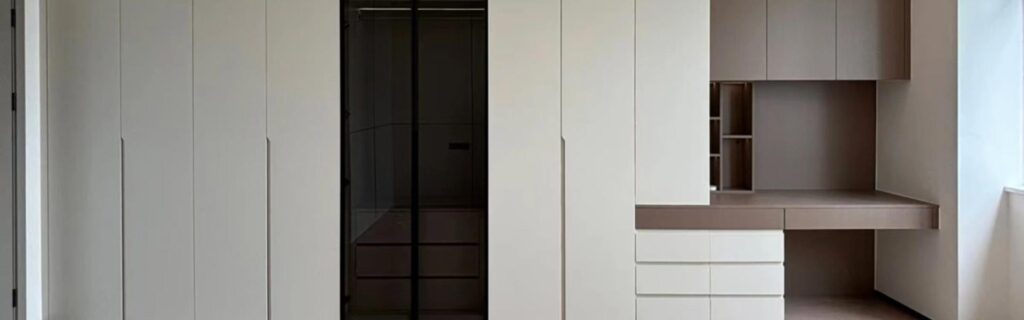
Proper maintenance helps wardrobe armoires maintain their appearance and functionality over time. Although quality manufacturing provides a strong foundation, regular care is still important for extending furniture service life.
Routine cleaning is one of the simplest maintenance methods. Dust and surface particles should be removed regularly using suitable cleaning materials to prevent accumulation and protect finishes.
Moisture control is also important. Excessive humidity may affect certain furniture materials over time, so keeping the storage environment properly ventilated helps maintain structural stability.
Hardware components should also receive attention. Hinges, handles, and drawer systems should be checked periodically to ensure smooth operation. If any components become loose, timely adjustment can prevent further problems.
For customized wardrobe armoires, following manufacturer recommendations is especially valuable because different materials and finishes may require specific care methods.
A combination of high-quality materials, professional manufacturing, and proper maintenance allows wardrobe armoires to remain functional and visually attractive for many years.
Conclusion
Wardrobe armoires represent the combination of furniture design, storage technology, material selection, and manufacturing expertise. They are no longer limited to simple clothing storage but have become complete organization solutions that improve the functionality and appearance of modern spaces.
Understanding the differences between materials, designs, storage layouts, and manufacturing processes helps buyers make more informed decisions. Whether used for residential interiors, furniture projects, or commercial applications, well-designed wardrobe armoires can provide practical storage while enhancing overall space quality.
As demand continues to grow for flexible and customized furniture solutions, manufacturers with strong design capabilities and production experience will play an important role in developing wardrobe armoires that meet diverse market needs.
FAQ
What are wardrobe armoires used for?
Wardrobe armoires are designed to organize clothing, accessories, and personal items. They usually combine hanging areas, shelves, drawers, and enclosed storage sections to create a complete furniture storage solution for bedrooms and other living spaces.
What materials are commonly used for wardrobe armoires?
Common materials include solid wood, engineered wood panels, MDF, particle board, and metal hardware components. Each material provides different benefits in terms of appearance, durability, stability, and design flexibility.
Are custom wardrobe armoires better than standard designs?
Custom wardrobe armoires can provide better space utilization because they are developed according to specific dimensions, storage requirements, and design preferences. They are especially suitable for unique residential layouts and commercial furniture projects.
How can wardrobe armoires improve storage organization?
Custom wardrobe armoires can provide better space utilization because they are developed according to specific dimensions, storage requirements, and design preferences. They are especially suitable for unique residential layouts and commercial furniture projects.
What should buyers consider when selecting wardrobe armoires?
Buyers should consider material quality, construction methods, storage capacity, design compatibility, customization options, and manufacturing reliability. These factors influence both furniture performance and long-term usability.