Table of Contents
Introduction
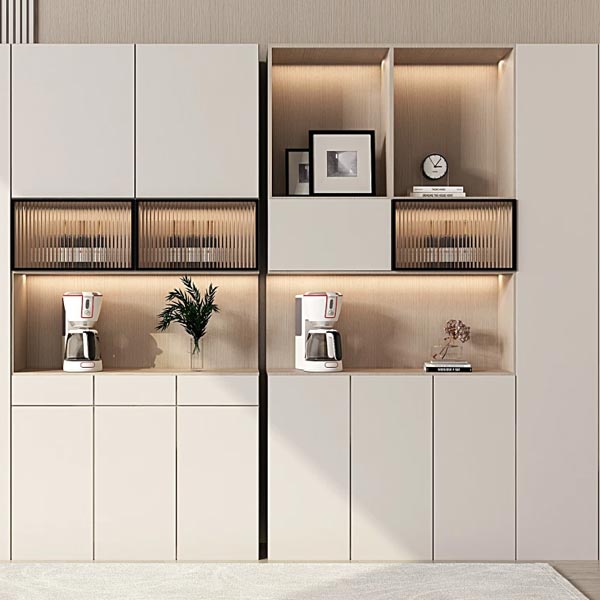
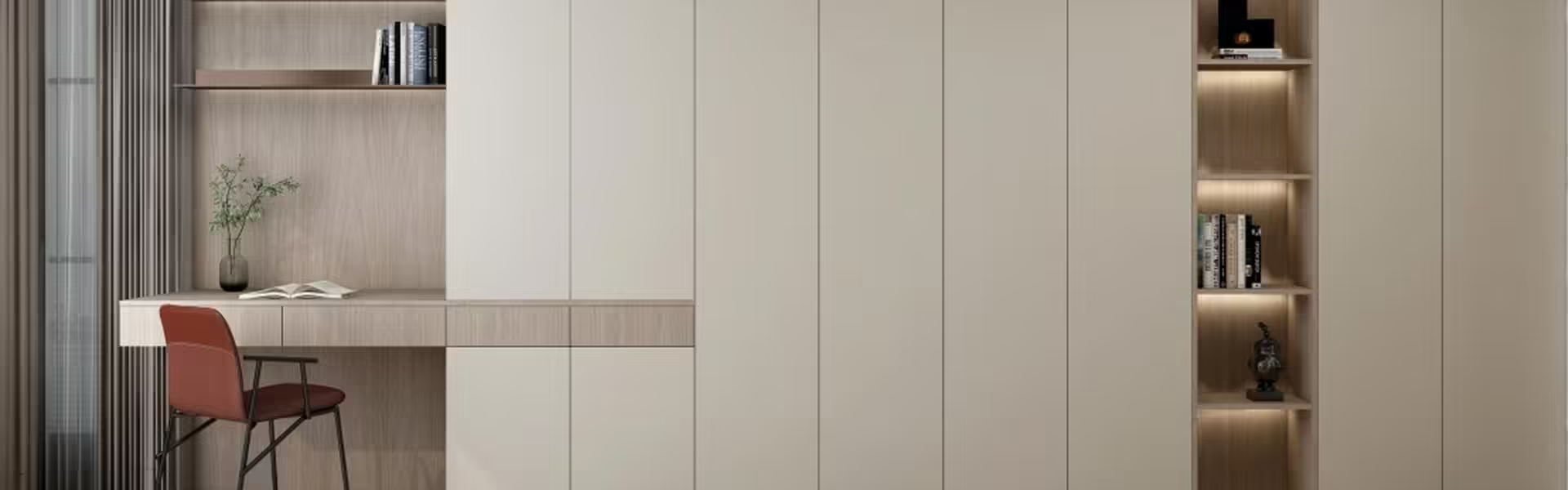
In modern interiors, storage solutions are not just functional—they are a design statement. PLL wardrobes have gained traction among homeowners and designers due to their modular structure, flexibility, and sleek aesthetics. As a manufacturer, understanding the principles behind designing an efficient PLL wardrobe can help you produce products that satisfy both practical needs and style demands.
Understanding PLL Wardrobes
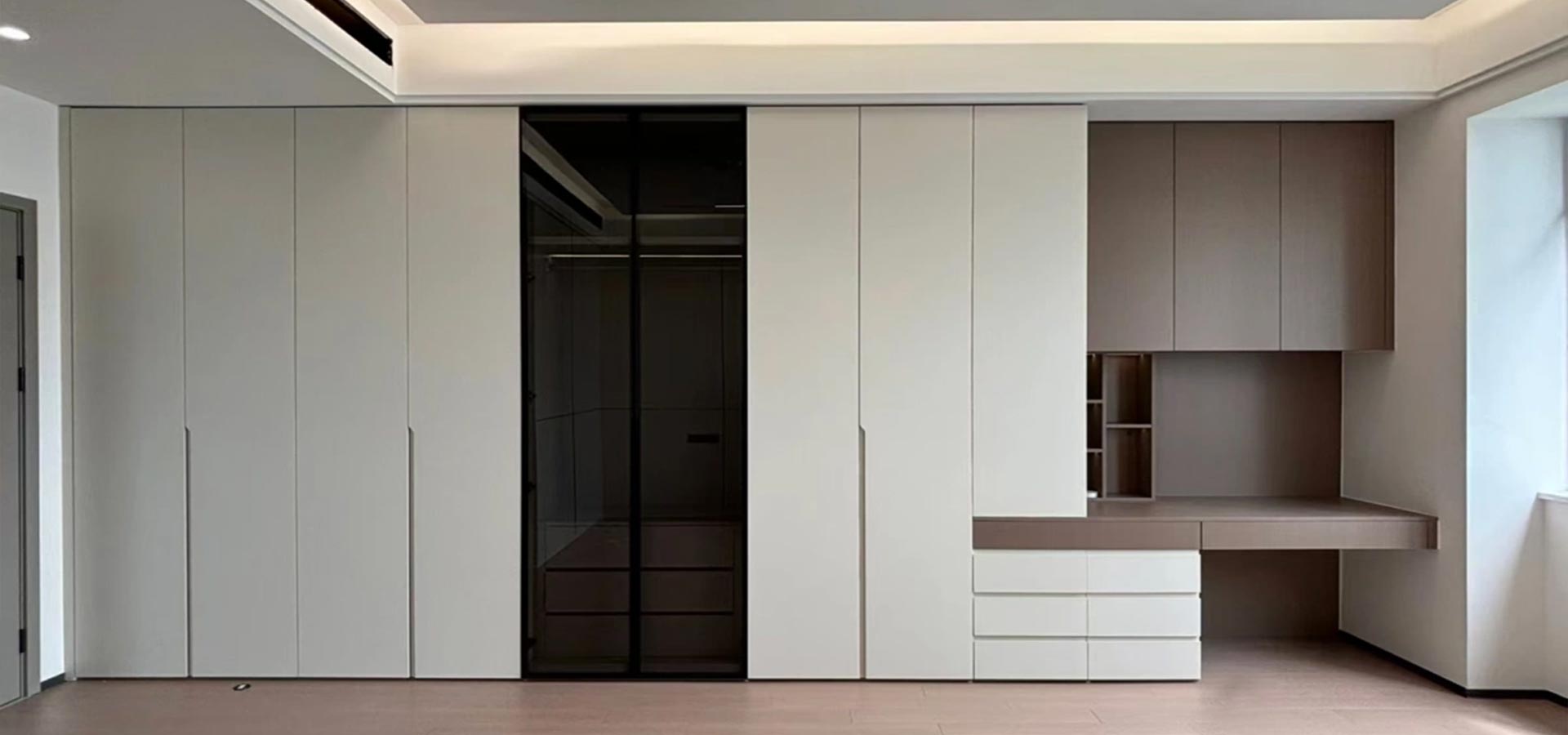
Wardrobes are modular storage units that allow for customization in dimensions, internal compartments, and finishes. The acronym PLL often refers to a modular system that combines precision engineering with versatile storage options, making it suitable for various room sizes and configurations. Their design flexibility ensures that homeowners can optimize every inch of available space.
Key Design Considerations
When designing wardrobes, manufacturers should consider:
- Space Optimization: Efficient use of vertical and horizontal space is critical. Tall compartments for hanging clothes, deep drawers for bulky items, and adjustable shelves for seasonal clothing all contribute to maximum storage capacity.
- User Accessibility: Incorporate features such as sliding doors, soft-close hinges, and modular inserts that allow easy access to clothing and accessories.
- Durability: Select materials that provide structural integrity and longevity, such as engineered wood, laminated surfaces, or reinforced MDF panels.
Materials and Finishes
Choosing the right materials ensures both durability and aesthetic appeal. Manufacturers often combine solid wood, high-density MDF, laminates, or metal frameworks for modern wardrobes. Finishes can include matte, glossy, or textured veneers, catering to minimalist or contemporary interior styles.
Storage Efficiency
Efficient storage is the hallmark of a well-designed PLL wardrobe. Different compartments serve specific purposes:
| Wardrobe Section | Purpose | Design Tip |
|---|---|---|
| Hanging Rails | Coats, dresses, shirts | Adjustable height for long and short items |
| Drawers | Folded clothes, accessories | Use soft-close mechanisms for convenience |
| Shelves | Shoes, bags, folded clothing | Adjustable to accommodate seasonal changes |
| Open Compartments | Display or frequently used items | Ensure accessibility without clutter |
| Sliding or Folding Doors | Space-saving in smaller rooms | Choose smooth tracks for effortless use |
According to design research published in Modern Interiors Journal, modular wardrobes like PLL systems can increase storage efficiency by up to 30% compared to traditional fixed wardrobes.
Customization Options
Manufacturers can offer various customization options to appeal to a broader audience:
- Adjustable shelves and compartments
- Choice of finishes and colors
- Integrated lighting systems
- Optional soft-close or automated doors
Customizable features improve usability and allow consumers to align wardrobe functionality with their lifestyle.
Trends in PLL Wardrobe Design
Current trends emphasize minimalism, sustainability, and modularity. Consumers increasingly prefer wardrobes that blend seamlessly with the room, provide eco-friendly materials, and allow reconfiguration over time. Manufacturers should consider producing modular components that can be replaced or upgraded without discarding the entire unit.
Installation and Maintenance Tips
Ease of assembly is critical for consumer satisfaction. Pre-drilled panels, clear instructions, and durable fittings reduce installation errors and enhance the user experience. Regular maintenance such as cleaning laminate surfaces, checking hinge integrity, and avoiding moisture exposure ensures longevity.
Benefits of Efficient PLL Wardrobes
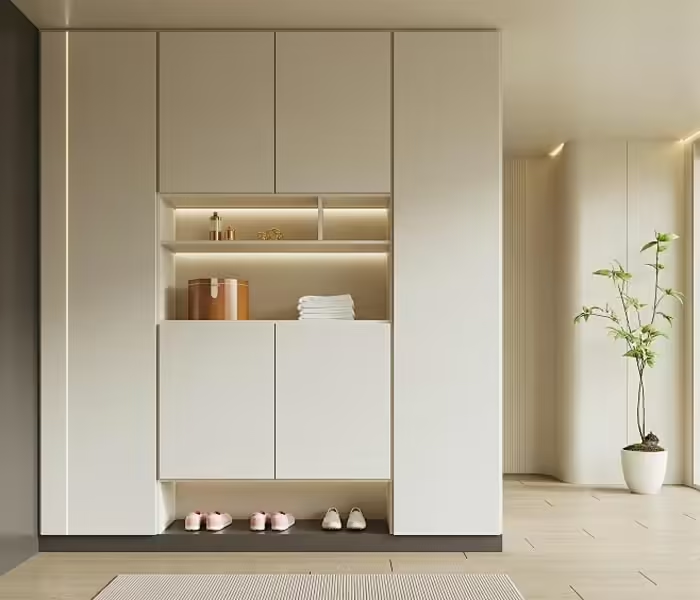
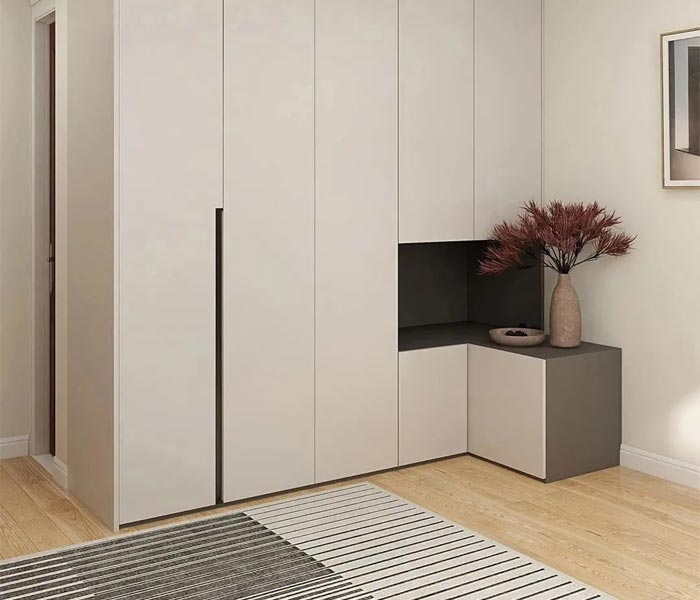
- Maximizes storage capacity in limited spaces
- Enhances interior aesthetics with sleek, modern finishes
- Offers long-term flexibility with modular components
- Increases overall user satisfaction due to accessibility and organization
Conclusion
Designing efficient PLL wardrobes requires a careful balance between form and function. Manufacturers who prioritize modularity, durability, and aesthetic versatility create products that not only meet consumer needs but also add value to modern interiors. By understanding storage requirements and incorporating design innovations, you can produce PLL wardrobes that stand out in a competitive market.
FAQ
What is a PLL wardrobe?
A PLL wardrobe is a modular storage unit designed for customization in compartments, finishes, and dimensions, offering both flexibility and modern aesthetics for homes.
Are PLL wardrobes suitable for small rooms?
Yes, PLL wardrobes often include sliding doors, adjustable shelves, and modular components, making them ideal for optimizing storage in compact spaces.
What materials are commonly used for PLL wardrobes?
Manufacturers typically use engineered wood, high-density MDF, laminates, and metal frames to ensure durability while providing modern finishes.
Can PLL wardrobes be customized?
Absolutely. They can be tailored in terms of compartment layout, shelving height, finishes, lighting, and door mechanisms to suit user needs.
How do PLL wardrobes improve storage efficiency?
By providing modular compartments, adjustable shelving, and smart organization features, they can increase usable storage space by up to 30% compared to traditional wardrobes.
Need Help Designing the Right PLL Wardrobe?
If you’re unsure which layout, material, or modular configuration best suits your home or project, our experts are here to guide you. Contact us today for a personalized consultation, and ensure your wardrobe is functional, stylish, and built to last. Don’t wait—get in touch now to optimize your space with high-quality storage solutions!