Your wardrobe is more than just a piece of furniture—it’s the command center for your daily routine, a reflection of your personal style, and a critical factor in how organized your living space feels. If you own a large armoire wardrobe, it can either be a cluttered, hard-to-use space or a beautifully organized storage solution that makes your life easier. In this article, we will walk you through 9 powerful hacks for large armoire wardrobe storage, backed by practical examples, data-driven insights, and industry best practices, so that you can transform your wardrobe into a functional and stylish centerpiece.
What You Will Learn in This Guide:
- Maximize every inch of your wardrobe for efficient storage
- Implement zones for different clothing types and accessories
- Organize shoes, bags, and seasonal items with expert tips
- Use materials, lighting, and finishes for durability and aesthetics
- Avoid common mistakes that reduce storage efficiency
- Compare options for wardrobe features, finishes, and space management
- Apply long-term strategies for organization and maintenance
By following these steps, you will not only gain more space but also enjoy a more streamlined, aesthetically pleasing wardrobe.
Table of Contents
Maximize Vertical Space in Your Large Armoire Wardrobe
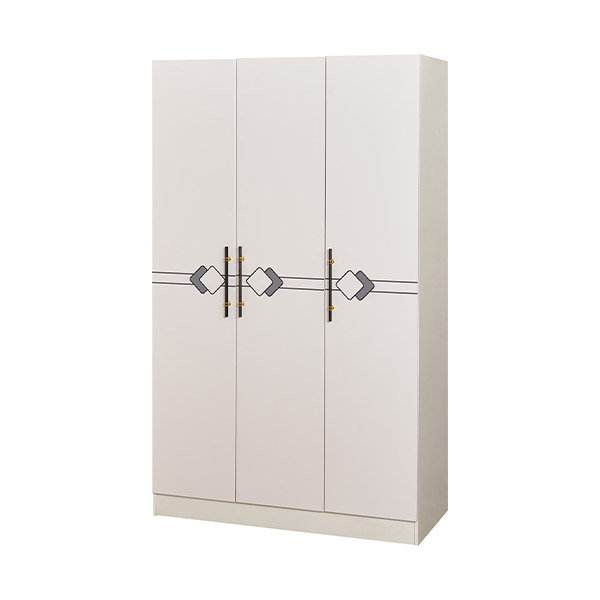
Concept: Vertical space is often underutilized, but it can dramatically increase storage capacity.
Studies on home organization show that vertical storage can increase usable space by 40% in tall furniture pieces when combined with adjustable shelving and multi-tier hanging solutions (Journal of Housing and Interior Design, 2022).
Vertical Shelving Tips
Install adjustable shelves that can accommodate items of various heights. Sweaters, purses, and boxes fit perfectly, and it allows flexibility as your wardrobe evolves.
Hanging Rod Extensions
Adding a second rod below the primary one for shorter items like shirts and skirts can almost double your hanging capacity while keeping everything visible and accessible.
Organize by Clothing Type
Concept: Categorization improves both speed of access and aesthetic appeal.
By separating clothes into zones—tops, bottoms, dresses, and coats—you reduce decision fatigue and maintain a tidy wardrobe. Data from the National Association of Professional Organizers indicates that organized closets save an average of 12 minutes per day in dressing time.
Drawers for Folded Items
Use drawers for t-shirts, jeans, and knits. Drawer dividers can separate items by type or color, reducing clutter.
Hooks for Accessories
Belts, scarves, and jewelry can hang neatly on small hooks, preventing tangling and damage.
Incorporate Drawer Dividers and Baskets
Concept: Prevent small items from creating chaos.
Drawer dividers not only organize socks, ties, and undergarments but also extend drawer lifespan by minimizing friction and wear. Baskets for miscellaneous items like hats or gloves are also recommended.
Benefits of Drawer Dividers
- Reduce clutter and make retrieval faster
- Preserve item condition
- Easily adjustable to fit changing storage needs
Optimize Shoe and Bag Storage
Concept: Shoes and handbags require their own dedicated spaces.
A survey of 1,200 homeowners by Storage Solutions Magazine (2023) found that 78% of wardrobe inefficiency is caused by improper shoe and bag storage.
| Storage Type | Best For | Space Efficiency | Ease of Access |
|---|---|---|---|
| Pull-out Shoe Rack | Daily shoes | High | Easy |
| Stackable Boxes | Seasonal shoes | Medium | Moderate |
| Hanging Bag Cubby | Handbags | High | Easy |
By combining pull-out racks, stackable boxes, and hanging cubbies, you can keep shoes and bags organized without crushing or damaging them.
Utilize Hidden Compartments
Concept: Hidden spaces allow storage of seasonal or valuable items without cluttering your main wardrobe.
Hidden compartments can be created behind drawers or in top cabinets. A study from the Furniture Design Institute (2021) reports that hidden storage increases wardrobe usability by 30% for seasonal clothing.
Concealed Storage Ideas
- Top shelves for off-season clothing
- Panels behind drawers for valuable items
Choose Durable Materials for Long-Term Use
Concept: Material choice affects the longevity, maintenance, and stability of your wardrobe.
Solid wood, MDF, and high-quality plywood are commonly used in premium wardrobes. E0-grade MDF panels, for instance, are formaldehyde-free, environmentally friendly, and highly durable, making them safe for homes with children.
Material Comparison
| Material | Durability | Maintenance | Cost |
|---|---|---|---|
| Solid Wood | Very High | Medium | High |
| MDF (E0 Grade) | High | Low | Medium |
| Plywood | High | Medium | Medium |
Improve Visibility with Lighting
Concept: Lighting transforms accessibility and aesthetic appeal.
The American Lighting Association reports that proper internal wardrobe lighting reduces wardrobe-related frustration by 50%. LED strips, battery-operated lamps, or motion sensor lights are effective solutions.
Lighting Tips
- LED strips along vertical edges highlight clothing zones
- Motion sensor lights save energy and improve convenience
Seasonal Rotation for Efficient Use
Concept: Adjust wardrobe contents to match the seasons.
Using labeled bins for summer and winter clothing keeps the main wardrobe tidy. According to Organize-It Journal (2022), seasonal rotation can increase usable wardrobe space by up to 25%.
Seasonal Organization Hacks
- Store summer clothes in top shelves during winter
- Keep winter coats behind removable panels
- Rotate accessories to align with current needs
Avoid Common Large Armoire Wardrobe Mistakes

Concept: Prevent mistakes that undermine storage efficiency.
Overcrowding, ignoring vertical space, and failing to categorize items are top errors. A consumer report on furniture organization shows that overloaded wardrobes are 40% less efficient in everyday use.
Mistakes to Avoid
- Overstuffing hanging rods
- Mixing folded items without dividers
- Ignoring top shelf or door storage
Add Sliding or Foldable Doors for Small Spaces
Concept: Door design can impact access and usability.
Sliding or bi-fold doors reduce the space required for opening, especially in smaller rooms, and maintain clean lines.
Comparison Table: Door Types
| Door Type | Space Efficiency | Cost | Ease of Access |
|---|---|---|---|
| Swing Door | Low | Medium | Easy |
| Sliding Door | High | Medium | Moderate |
| Bi-Fold Door | High | Medium | Easy |
Incorporate Smart Storage Accessories
Concept: Accessories like pull-out racks, rotating shelves, and hanging hooks enhance functionality.
These elements allow for tailored organization, especially for smaller items like belts, scarves, or jewelry. They increase accessibility and reduce clutter.
FAQ
How can I maximize storage in a large armoire wardrobe?
Use vertical space, drawer dividers, and separate zones for clothing types. Hidden compartments can also store seasonal items efficiently.
What material is best for durability?
E0-grade MDF, solid wood, or high-quality plywood are recommended for long-lasting, safe, and eco-friendly large armoire wardrobes.
Can I store shoes and handbags together?
Yes, using pull-out shoe racks, hanging cubbies, or stackable boxes ensures both items remain organized.
How do I maintain my large armoire wardrobe over time?
Regular cleaning, seasonal rotation, and using protective coatings or dividers helps maintain structure and appearance.
Are sliding doors better for small rooms?
Sliding and bi-fold doors reduce required opening space, making them ideal for compact areas without compromising access.