Table of Contents
Understanding
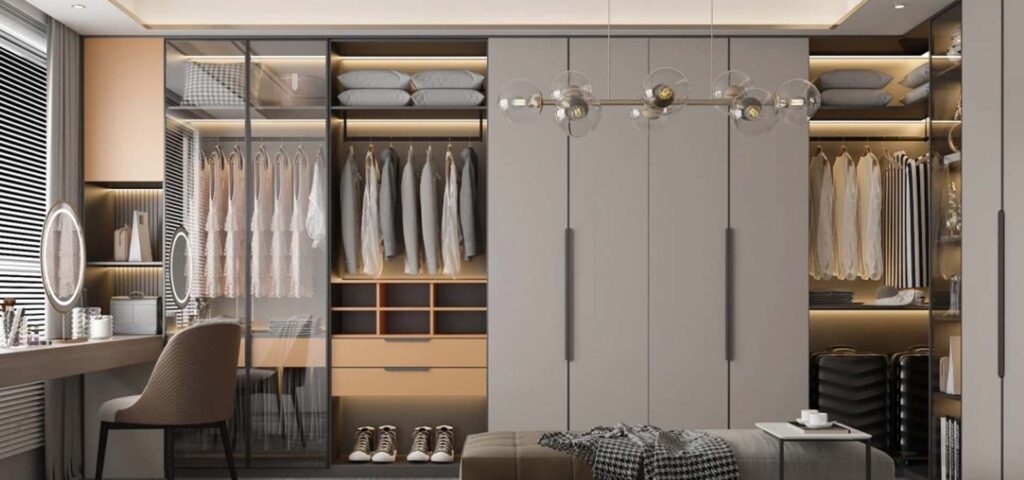
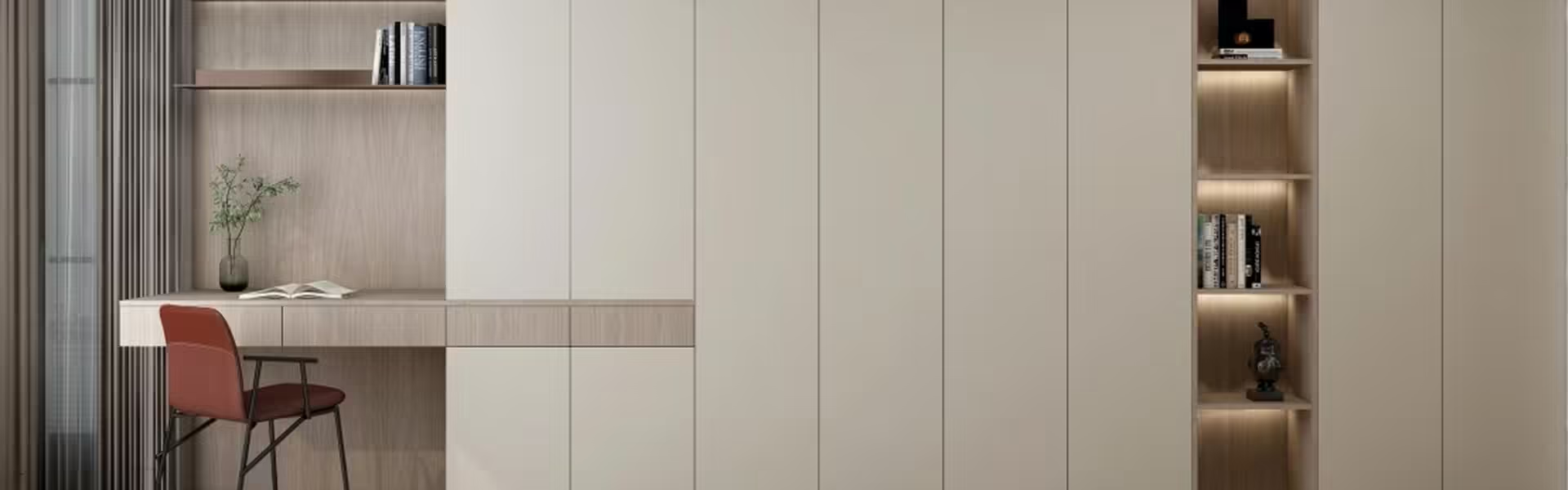
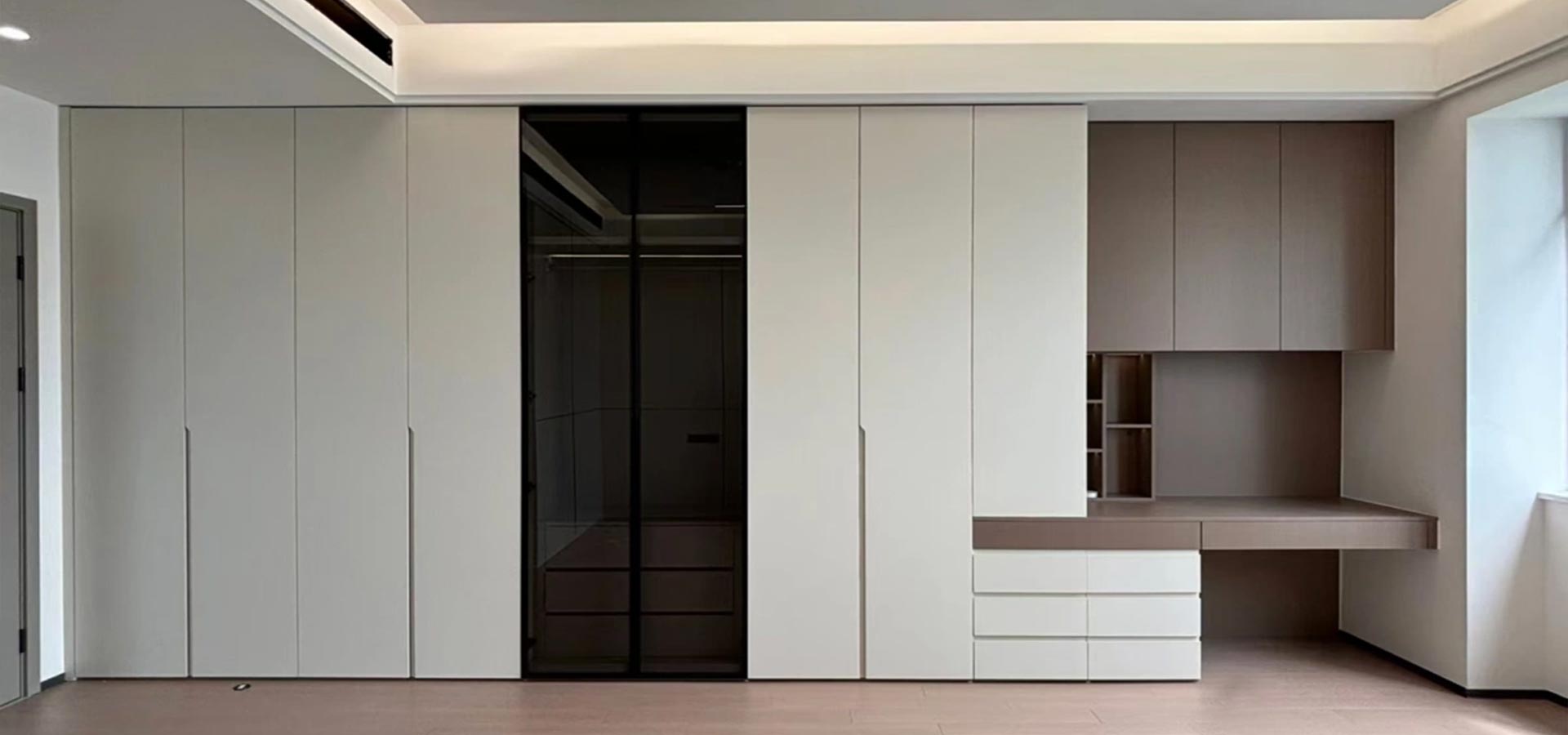
Made to measure fitted wardrobes are customized storage systems designed to fit your exact room dimensions and personal storage needs. Unlike freestanding furniture, they integrate seamlessly into your space, making full use of height, width, and even awkward corners. This tailored approach not only improves organization but also enhances the overall look of your interior.
According to industry reports from home storage and interior design associations, customized storage solutions can improve space utilization by up to 40 percent compared to standard furniture. This makes made to measure fitted wardrobes an increasingly popular choice for modern living environments.
Assessing Your Space and Room Layout
Before placing an order, understanding your space is essential. Start by measuring the full height, width, and depth of the area where the wardrobe will be installed. Pay special attention to architectural features such as sloped ceilings, alcoves, or uneven walls.
Using floor to ceiling wardrobes can significantly increase storage capacity without taking up additional floor space. For smaller rooms, this vertical approach is particularly effective. You should also consider how the wardrobe will interact with doors, windows, and other furniture.
Defining Your Storage Needs
A well-designed wardrobe starts with a clear understanding of what you need to store. Consider the types of clothing you own, such as long garments, folded items, shoes, and accessories.
Think about how often you use each category. Frequently used items should be easily accessible, while seasonal items can be stored higher or in less accessible sections. Planning ahead for future storage needs can prevent overcrowding and ensure long-term usability.
Choosing the Right Materials
Material selection directly affects durability, appearance, and maintenance. Common options include solid wood for strength and longevity, engineered wood for affordability and flexibility, and glass or mirrored panels for visual enhancement.
Environmental factors also play a role. In areas with higher humidity, moisture-resistant materials are recommended to prevent warping or damage. Choosing the right material ensures your made to measure fitted wardrobes remain functional and visually appealing over time.
Selecting the Best Design and Style
Your wardrobe should complement your overall interior design. Minimalist styles offer clean lines and a modern look, while traditional designs add warmth and character.
Color and finish are equally important. Light tones can make a room feel more spacious, while darker finishes create a more sophisticated atmosphere. Consistency with existing furniture helps maintain a cohesive visual flow.
Door Types and Functionality
Door selection impacts both usability and space efficiency. Sliding doors are ideal for compact rooms as they do not require additional clearance. Hinged doors, on the other hand, provide full access to the interior and are often easier to install.
Your choice should depend on your room layout and daily habits. If space is limited, sliding doors are usually the more practical option.
Customization Options and Features
One of the biggest advantages of made to measure fitted wardrobes is the level of customization available. You can include adjustable shelves, pull-out drawers, hanging rails, and even integrated lighting.
Additional features such as mirrors, soft-close mechanisms, and hidden compartments can enhance both convenience and aesthetics. These options allow you to create a wardrobe that truly matches your lifestyle.
Budget Planning and Cost Factors
The cost of made to measure fitted wardrobes varies depending on materials, size, and customization level. While the initial investment may be higher than ready-made options, the long-term benefits often justify the expense.
A well-designed wardrobe reduces clutter, improves organization, and can even increase perceived property value. Balancing cost and quality is key to making a smart investment.
Choosing the Right Supplier
Selecting a reliable supplier is just as important as choosing the right design. Look for companies with proven experience, positive customer feedback, and transparent processes.
Ask questions about materials, installation timelines, and after-sales support. A professional supplier will guide you through the entire process, ensuring your wardrobe meets both functional and aesthetic expectations.
Installation Process and Timeline
Installation typically involves site measurement, manufacturing, delivery, and assembly. Depending on the complexity of the design, the process can take several weeks.
Professional installation is recommended to ensure precision and safety. Proper installation also ensures that doors, drawers, and internal components function smoothly over time.
Maintenance and Long-Term Care
Maintaining your wardrobe depends on the materials used. Regular cleaning, avoiding excessive moisture, and checking fittings periodically can extend its lifespan.
Simple practices such as organizing items properly and not overloading shelves can prevent unnecessary wear and tear, keeping your wardrobe in excellent condition for years.
Comparison of Key Wardrobe Features
| Feature | Sliding Door Wardrobes | Hinged Door Wardrobes | Mirrored Wardrobes |
|---|---|---|---|
| Space Efficiency | High | Medium | High |
| Accessibility | Medium | High | High |
| Visual Impact | Modern | Classic | Enhances space |
| Maintenance | Low | Low | Medium |
| Customization Flexibility | High | High | High |
This comparison helps you evaluate which option aligns best with your space and lifestyle needs.
Common Mistakes to Avoid
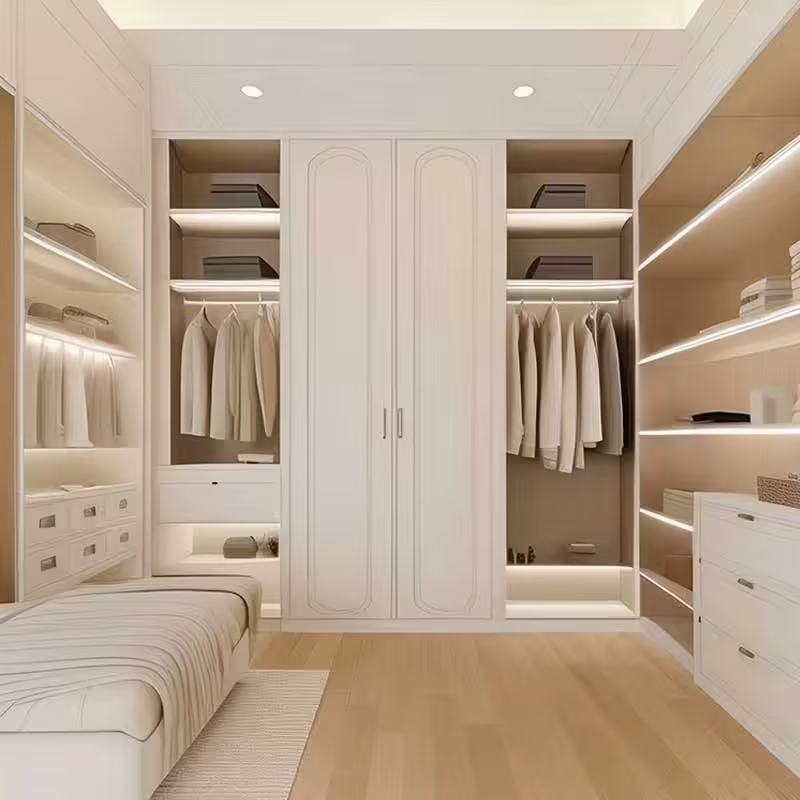
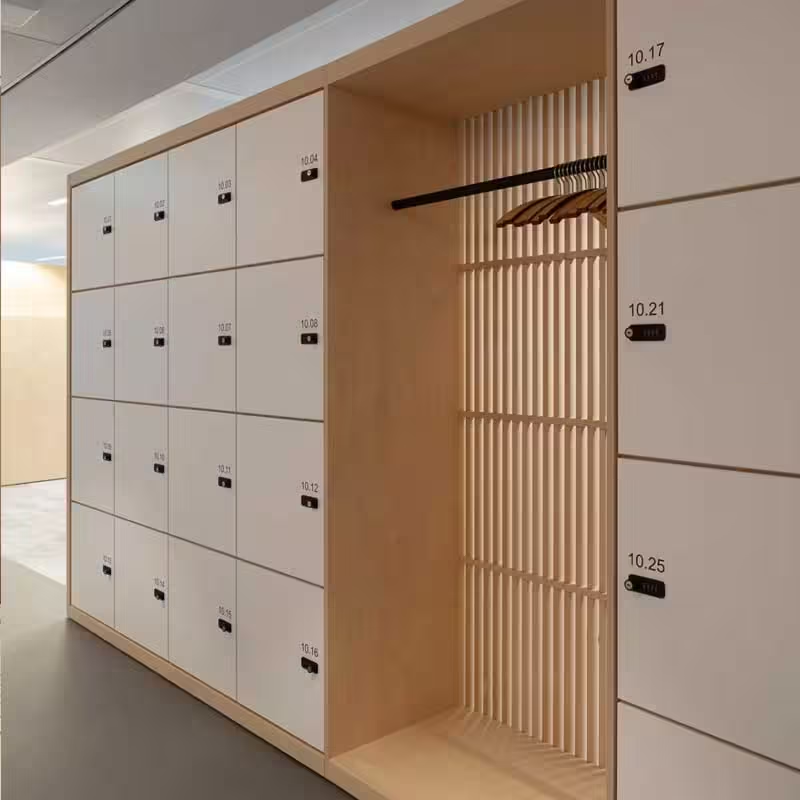
One of the most common mistakes is inaccurate measurement, which can lead to poor fitting and wasted space. Another issue is prioritizing design over functionality, resulting in insufficient storage.
Ignoring future needs can also limit the long-term usefulness of your wardrobe. Taking a balanced approach ensures you get both style and practicality.
Conclusion
Choosing made to measure fitted wardrobes requires careful consideration of space, materials, design, and functionality. By evaluating your needs and understanding available options, you can create a storage solution that enhances both organization and style. A well-planned wardrobe not only maximizes your space but also adds lasting value and efficiency to your home.
FAQ
What are made to measure fitted wardrobes?
Made to measure fitted wardrobes are custom-designed storage solutions built to fit your exact room dimensions, maximizing space and providing a seamless, built-in appearance.
Are made to measure fitted wardrobes worth it?
Yes, they offer tailored storage, better space utilization, and long-term durability, making them a valuable investment for both small and large rooms.
How long does it take to install made to measure fitted wardrobes?
The process usually takes a few weeks from design to installation, depending on customization level, materials, and supplier production schedules.
Can made to measure fitted wardrobes fit awkward spaces?
Absolutely. They are specifically designed to fit irregular layouts, corners, and sloped ceilings where standard wardrobes cannot be used efficiently.
What materials are commonly used for made to measure fitted wardrobes?
Common materials include solid wood, MDF, engineered wood, glass, and mirrored panels, each offering different benefits in durability, style, and cost.
Need Help Choosing the Right Made to Measure Fitted Wardrobes?
If you’re unsure which design, layout, or material is best for your space, our experts are here to help. Contact us today for a personalized consultation, and ensure your wardrobes are perfectly tailored, highly functional, and beautifully designed. Don’t wait—get in touch now to transform your home with a smart and stylish storage solution!