Table of Contents
Introduction
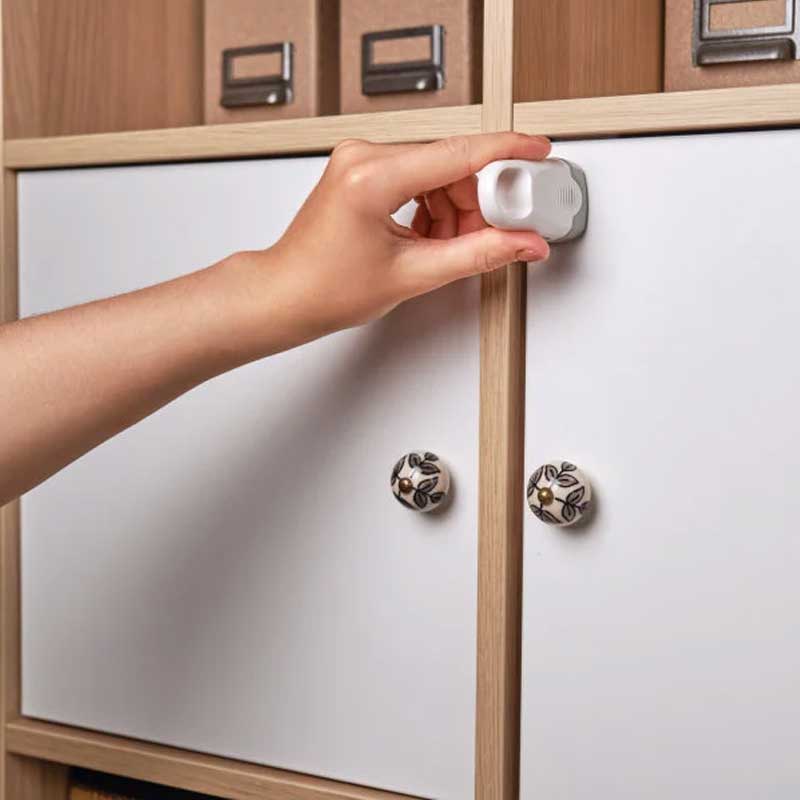
A shoe cubby cabinet is one of the most practical storage solutions for modern homes. Whether in entryways, bedrooms, or closets, these cabinets help organize footwear efficiently while keeping spaces neat and accessible. From a manufacturing perspective, designing a functional shoe cubby requires attention to materials, layout, durability, and user convenience.
Understanding Shoe Cubby Cabinets
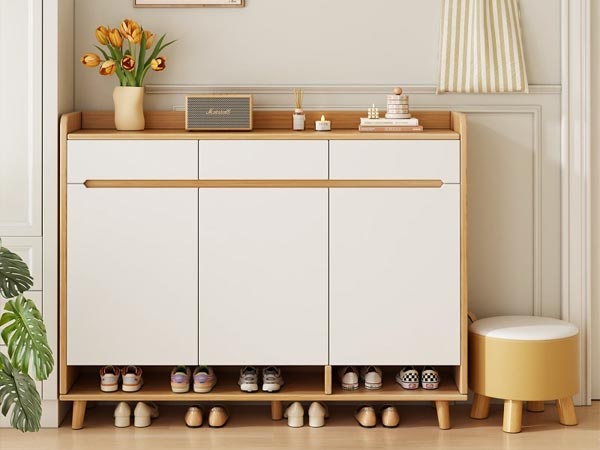
Shoe cubby cabinets are modular storage units that use individual compartments or cubbies to hold shoes. Unlike traditional wardrobes or shoe racks, they provide:
- Easy access and visibility of footwear
- Organized storage for multiple pairs
- A clean and clutter-free environment
These features make them ideal for homes with children, frequent guests, or large shoe collections.
Key Design Considerations
When designing a shoe cubby cabinet, manufacturers prioritize several aspects:
- Compartment Size: Each cubby must fit various shoe types, from sneakers to boots.
- Accessibility: Open or tilted cubbies allow quick removal and placement.
- Material Strength: Cubes must support shoe weight without sagging.
- Aesthetic Balance: Simple and stylish designs integrate seamlessly into modern interiors.
By balancing functionality with aesthetics, manufacturers ensure the product is both practical and visually appealing.
Material Selection for Longevity
Durable materials extend the life of shoe cubby cabinets. Common choices include:
| Material Type | Durability | Cost Level | Best Use Case |
|---|---|---|---|
| Solid Wood | Very High | High | Premium and long-lasting units |
| MDF | Medium | Low-Medium | Budget-friendly cabinets |
| Plywood | High | Medium | Structural strength |
| Laminated Board | Medium | Low | Easy-to-clean, modern finishes |
| Metal Frame | High | Medium | Industrial or modern design |
Mixing materials, such as a wood frame with laminated cubbies, often balances cost and durability.
Layout Optimization
A well-planned internal layout enhances storage efficiency:
- Vertical stacking for narrow spaces
- Horizontal cubbies for wide shoe collections
- Adjustable shelves to accommodate boots or taller shoes
- Integrated drawers or baskets for accessories
This modular approach allows homeowners to maximize storage without increasing footprint.
Space-Saving Strategies
Shoe cubby cabinets can be designed to fit small or irregular spaces:
- Slim vertical cabinets for narrow entryways
- Stackable units for walk-in closets
- Overhead cabinets for seasonal footwear
- Corner-integrated cubbies for underutilized areas
These strategies allow you to store more shoes while keeping the space organized.
Manufacturing Considerations
Manufacturers follow these best practices to ensure quality and consistency:
- Reinforced Joints: For long-term durability under daily use
- Smooth Finishes: To prevent scuffing shoes
- Modular Panels: For easy assembly and shipping
- Standardized Hardware: Simplifies production and replacement
Efficient design and manufacturing reduce costs while maintaining high-quality standards.
Benefits of Shoe Cubby Cabinets
- Reduces clutter and keeps footwear organized
- Enhances home aesthetics with minimalist design
- Allows quick and easy access to shoes
- Supports durability with proper material selection
- Customizable to fit any space or interior style
Shoe cubby cabinets combine practical storage with stylish appeal, making them a versatile addition to any home.
Common Challenges
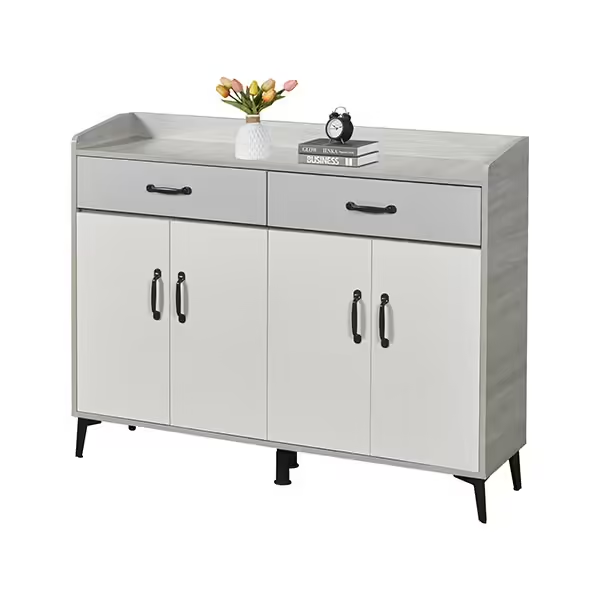
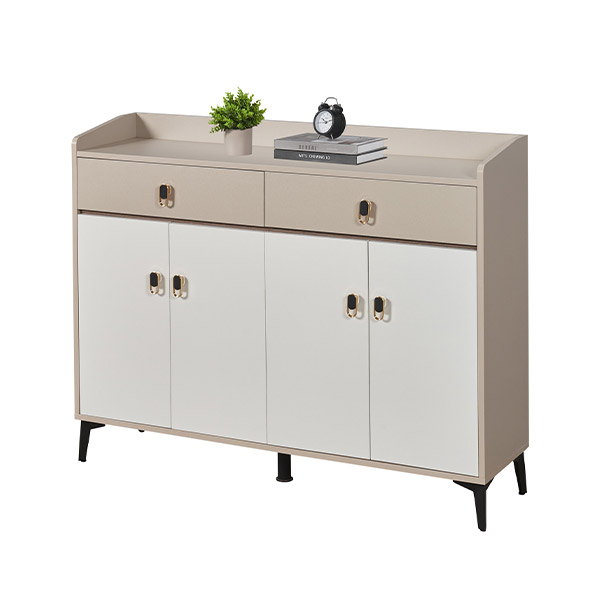
Even simple designs require attention to potential issues:
- Ensuring cubbies accommodate varying shoe sizes
- Preventing sagging or structural instability
- Maintaining aesthetic appeal while optimizing functionality
- Balancing production cost and material quality
Addressing these challenges ensures the final product meets consumer needs.
Conclusion
Shoe cubby cabinets are practical, versatile, and efficient storage solutions that combine functionality with style. From material selection to layout optimization and space-saving designs, these cabinets help homeowners maintain organization while enhancing interior aesthetics. Proper manufacturing ensures durability, longevity, and a product that stands the test of time.
FAQ
What is a shoe cubby cabinet?
A shoe cubby cabinet is a multi-compartment storage unit designed to organize shoes efficiently. It keeps entryways, closets, or bedrooms tidy, allows easy access, and supports different shoe types while maintaining a clean and organized home environment.
What materials are commonly used for shoe cubby cabinets?
Manufacturers typically use solid wood, plywood, MDF, laminated boards, and sometimes metal frames. These materials balance durability, cost, and aesthetic appeal, ensuring the cabinet can handle daily use while matching modern interior styles.
Can a shoe cubby cabinet fit small spaces?
Yes, shoe cubby cabinets are ideal for compact areas. Slim vertical units, stackable designs, and corner-integrated cubbies maximize storage without occupying much floor space, making them perfect for narrow entryways or small bedrooms.
Are shoe cubby cabinets customizable?
Yes, many manufacturers offer customization in cubby size, number of compartments, materials, and finishes. This flexibility allows homeowners to create a cabinet that fits their space, accommodates different shoes, and complements interior design.
How durable are shoe cubby cabinets?
With quality materials and reinforced construction, shoe cubby cabinets can last 10–15 years. Proper assembly, smooth finishes, and modular designs contribute to durability, ensuring they withstand daily use while maintaining structural integrity and aesthetic appeal.
Need Help Choosing the Right Shoe Cubby Cabinet?
If you’re unsure which size, layout, or material is best for your home, our experts are here to help. Contact us today for a personalized consultation, and ensure your shoe storage solution is durable, functional, and stylish. Don’t wait—get in touch now to organize your space efficiently and protect your home from clutter!