Table of Contents
Understanding
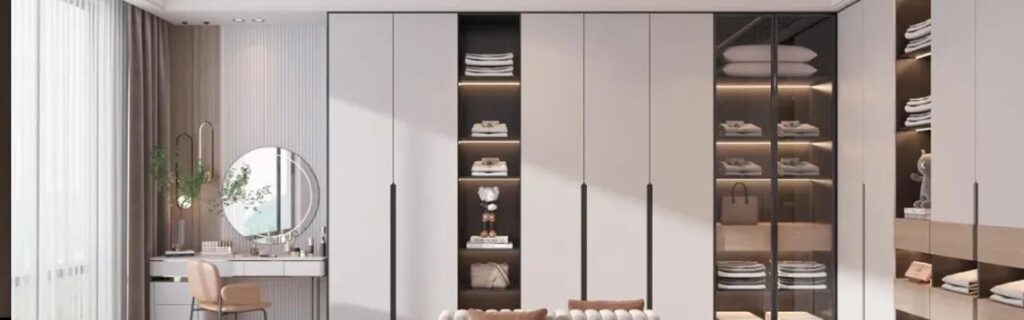
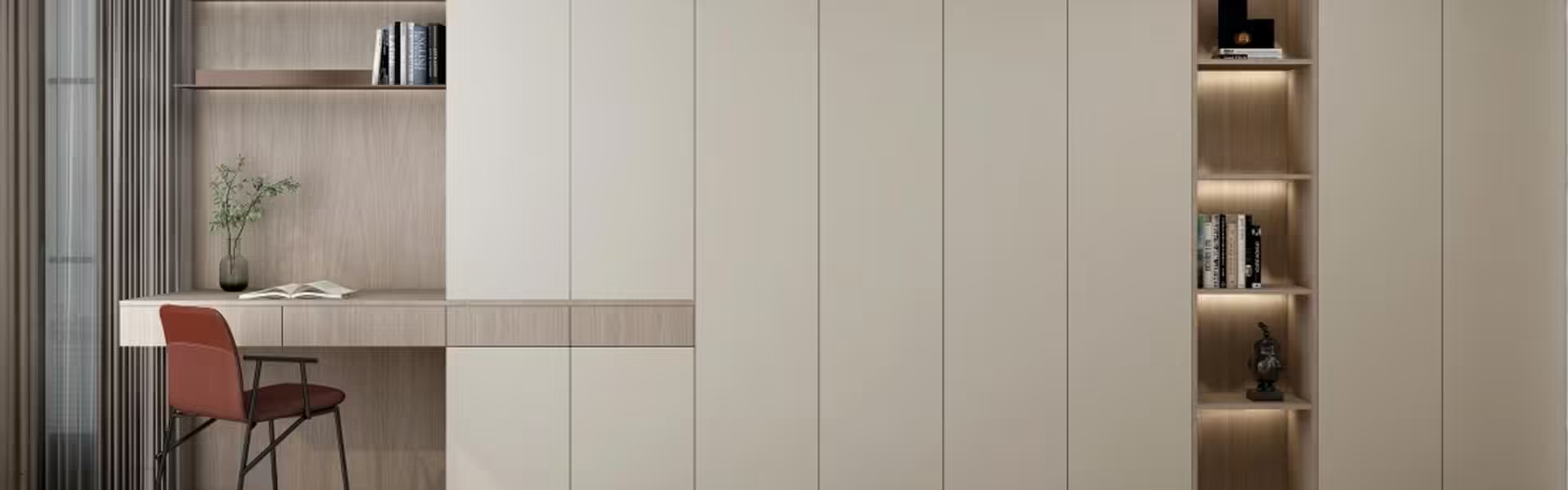
Wardrobe design for bedroom is not only about aesthetics, but also about engineering practical and scalable storage solutions. From a manufacturer’s perspective, it involves selecting materials, optimizing structure, and ensuring the final product fits both spatial and functional requirements.
Modern consumers increasingly expect wardrobes that combine customization, durability, and efficient use of space. Industry insights suggest that customized storage systems can improve space utilization by up to 35% compared to standard furniture designs, making tailored solutions more valuable in today’s market.
Why Manufacturers Focus on Custom Bedroom Wardrobe Design
Manufacturers prioritize wardrobe design for bedroom applications because demand has shifted toward personalized storage systems. Instead of one-size-fits-all products, users now expect flexibility in size, layout, and internal configuration.
Key manufacturing priorities include:
- Efficient production of modular components
- Scalable customization options
- Durable material selection
- Easy installation systems
This approach ensures both production efficiency and customer satisfaction.
Space Planning and Structural Design Considerations
From a production standpoint, accurate space planning is essential before manufacturing begins. Each wardrobe must align with room dimensions while maintaining structural integrity.
Important factors include:
- Wall width and ceiling height measurements
- Load-bearing capacity of panels
- Door clearance (sliding or hinged systems)
- Ventilation and moisture control
Proper engineering ensures long-term stability and usability.
Common Materials Used in Bedroom Wardrobe Manufacturing
Material selection is a core part of wardrobe design for bedroom production, directly affecting durability and cost efficiency.
| Material Type | Durability | Production Cost | Best Application |
|---|---|---|---|
| Solid Wood | Very High | High | Premium custom wardrobes |
| MDF / Engineered Wood | Medium | Low-Medium | Mass customization projects |
| Metal | High | Medium | Modern industrial designs |
| Glass / Mirrored | Medium-High | Medium-High | Visual enhancement designs |
| Composite Materials | High | Medium | Flexible modular systems |
Manufacturers often combine materials to balance cost, durability, and design flexibility.
Bedroom Wardrobe Design Styles from Production Viewpoint
Manufacturers typically produce wardrobes in several core styles:
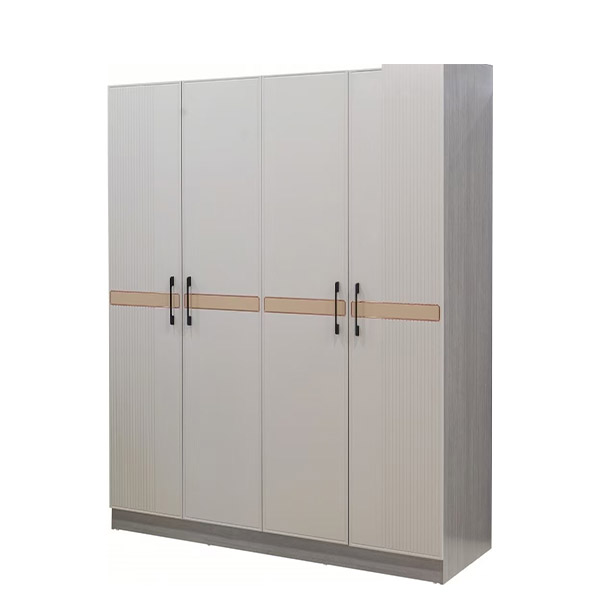
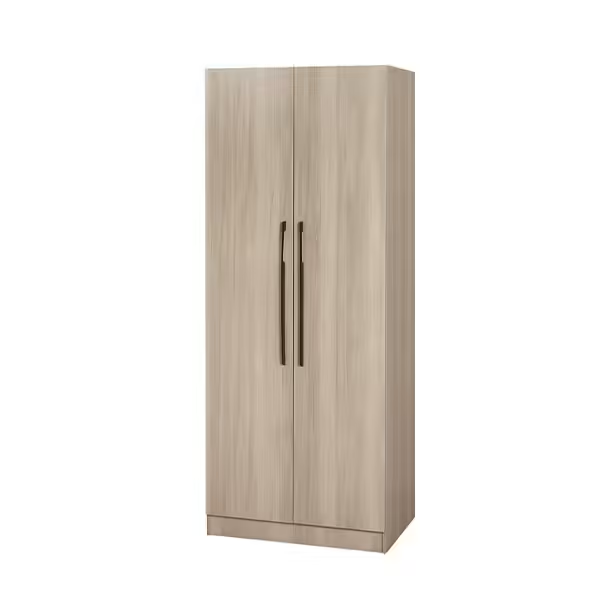
- Minimalist flat-panel designs for modern interiors
- Modular wardrobes for flexible installation
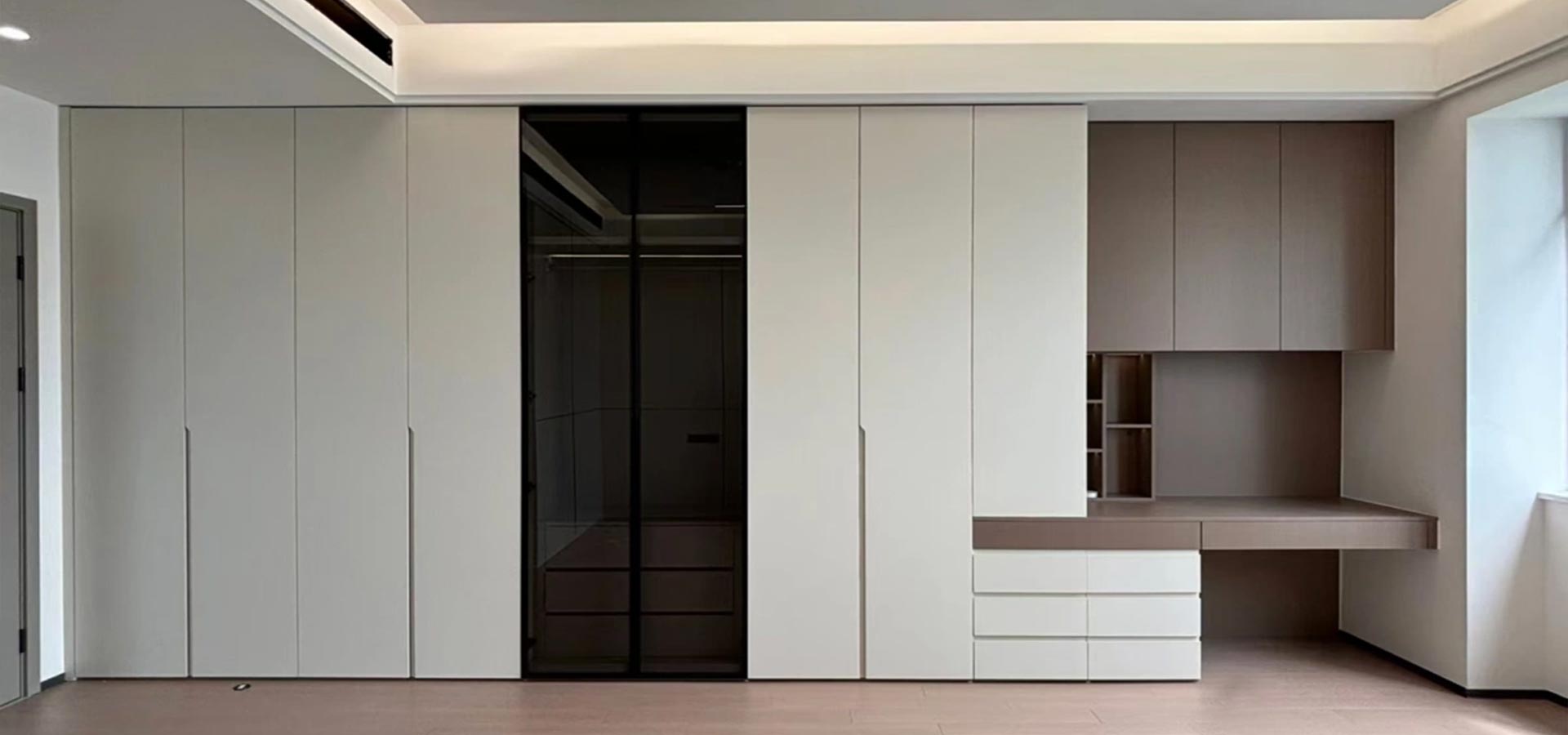
- Floor-to-ceiling systems for maximum storage
- Freestanding wardrobes for mobility and adaptability
- Built-in wardrobes for seamless integration
Each style requires different production techniques and assembly methods.
Internal Structure Engineering for Functionality
Internal layout design is a critical part of manufacturing. A well-engineered wardrobe improves usability and customer satisfaction.
Common internal configurations include:
- Adjustable shelving systems
- Modular drawer units
- Hanging rail sections for different clothing types
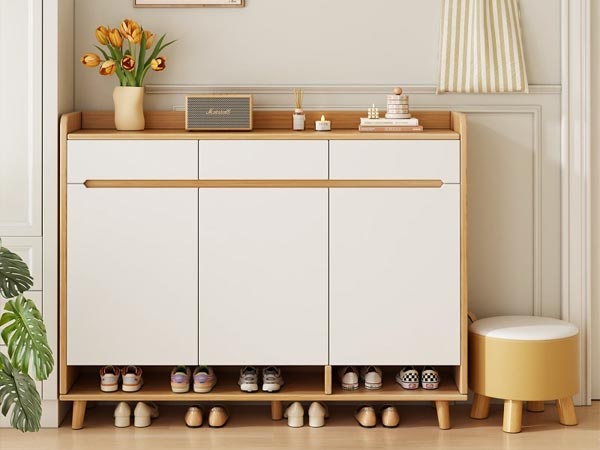
- Dedicated shoe storage compartments
- Integrated lighting systems
These components are designed for flexibility and long-term usability.
Quality Control and Durability Standards
Ensuring long-term durability is a key responsibility in wardrobe manufacturing. Quality control processes typically include:
- Moisture resistance testing
- Load-bearing verification
- Hardware durability checks
- Surface finishing inspections
According to furniture manufacturing quality studies, proper quality control can reduce product failure rates by more than 20%, improving customer satisfaction and reducing returns.
Common Mistakes to Avoid
- Ignoring accurate measurements
- Choosing design over functionality
- Underestimating storage needs
- Poor lighting planning inside wardrobes
Avoiding these mistakes helps ensure a more practical and efficient wardrobe solution.
Conclusion
A well-planned wardrobe design for bedroom is essential for creating a balanced combination of style, storage, and functionality. By selecting the right materials, layout, and internal features, you can significantly improve both the organization and visual appeal of your bedroom space.
FAQ
What is wardrobe design for bedroom?
It refers to planning and customizing bedroom wardrobes to maximize storage, improve organization, and enhance interior design efficiency.
What is the best wardrobe design for small bedrooms?
Sliding door wardrobes, floor-to-ceiling designs, and mirrored surfaces are ideal for small bedrooms as they save space and create a larger visual effect.
Which materials are best for bedroom wardrobes?
Solid wood, MDF, metal, and mirrored glass are commonly used depending on durability, budget, and design preference.
How can I maximize storage in bedroom wardrobes?
Use vertical space, adjustable shelves, pull-out drawers, and modular compartments to improve storage efficiency.
Are custom wardrobe designs worth it?
Yes, custom designs offer better space utilization, personalization, and long-term functionality compared to standard wardrobes.
Need Help Choosing the Right Wardrobe Design for Bedroom Solutions?
If you’re looking for a reliable manufacturer for custom or large-scale wardrobe production, our team can help. Contact us today for professional guidance, material selection support, and tailored manufacturing solutions. Don’t wait—get in touch now to build high-quality wardrobes that combine design, durability, and efficiency!