Table of Contents
Understanding
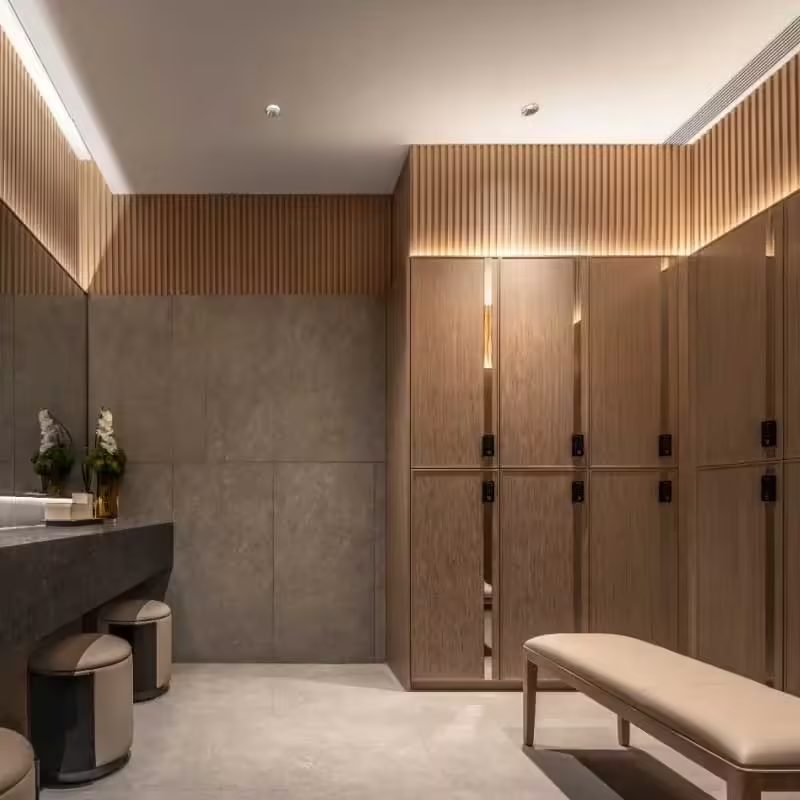
Wardrobes childrens furniture refers to storage systems specifically designed for children’s bedrooms, combining safety, accessibility, and efficient organization. Unlike standard wardrobes, these units are built with lower heights, safer materials, and simplified internal layouts to match children’s daily habits.
From a manufacturing perspective, this category requires a balance between structural safety, ergonomic design, and visual appeal. The goal is not only to store clothes but also to encourage children to develop independent organization habits.
Research in interior space design shows that well-structured storage systems can improve room usability by more than 30%, especially in shared or compact bedrooms, according to general furniture usability studies in the home organization sector.
Key Factors to Consider Before Buying
When selecting wardrobes childrens furniture, several practical factors directly influence usability and long-term satisfaction:
- Available room dimensions and layout constraints
- Daily storage volume (clothing, toys, accessories)
- Child’s age and independence level
- Future adaptability as the child grows
A well-planned wardrobe reduces clutter and improves daily efficiency, especially in multi-child households where storage demand increases over time.
Safety Standards in Wardrobes Childrens Design
Safety is the most critical factor in children’s furniture manufacturing. A properly designed wardrobe should eliminate risks commonly associated with tipping, sharp edges, or low-quality materials.
Key safety elements include:
- Anti-tip wall anchoring systems
- Rounded corners and smooth finishes
- Non-toxic, low-emission coatings
- Stable base structure for weight distribution
Manufacturers typically follow internal safety testing protocols that simulate real-world usage cycles to ensure long-term stability and durability.
Best Materials for Wardrobes Childrens Furniture
Material selection determines durability, safety, and environmental performance. Below is a comparison of commonly used materials:
| Material Type | Durability | Safety Level | Maintenance | Best Use Case |
|---|---|---|---|---|
| Solid Wood | Very High | High | Moderate | Premium children’s furniture |
| MDF | Medium | Medium-High | Low | Cost-efficient production |
| Engineered Wood | High | High | Low | Balanced performance designs |
| Eco Boards | Medium-High | Very High | Low | Environmentally conscious users |
Manufacturers often prioritize low-emission engineered wood for wardrobes childrens production due to its balance between safety and cost efficiency.
Functional Design Features for Modern Kids’ Wardrobes
Modern wardrobes childrens designs focus heavily on usability and independence. Key features include:
- Adjustable shelving systems
- Low-height hanging rails for easy access
- Pull-out drawers for toys and accessories
- Segmented storage zones for organization
These features help children independently manage their belongings, which supports early organizational skill development.
Space Optimization Strategies for Small Bedrooms
Efficient use of space is essential, especially in compact bedrooms. Designers often apply vertical optimization strategies such as:
- Floor-to-ceiling storage systems
- Sliding door mechanisms to save floor space
- Modular internal compartments
- Multi-functional wardrobe units with storage combinations
Sliding door wardrobes are particularly effective in narrow rooms where movement space is limited.
Design and Style Trends in Wardrobes Childrens Furniture
Aesthetics play an important role in children’s furniture selection. Modern trends include:
- Minimalist designs with soft neutral tones
- Themed furniture based on interests and creativity
- Pastel color palettes for visual comfort
- Clean-lined modern structures for long-term usability
Color psychology studies in interior design suggest that softer tones can create a calmer environment, which is beneficial for children’s sleep and focus.
Customization Options from Manufacturers
Customization is increasingly important in wardrobes childrens production, especially for modern households with specific space and design needs.
Common customization options include:
- Adjustable dimensions for room fit
- Internal layout configuration
- Material and finish selection
- Color customization for themed rooms
Manufacturers offering OEM/ODM services can adjust production based on project requirements, making it suitable for both retail and bulk supply markets.
Manufacturing Quality and Durability Standards
High-quality wardrobes childrens furniture must undergo strict production quality checks:
- Load-bearing testing for shelves
- Hardware durability testing (hinges, rails)
- Surface resistance testing for scratches and moisture
- Structural stability evaluation
Industry manufacturing benchmarks show that proper quality control can significantly extend product lifespan and reduce maintenance issues over time.
Common Mistakes to Avoid
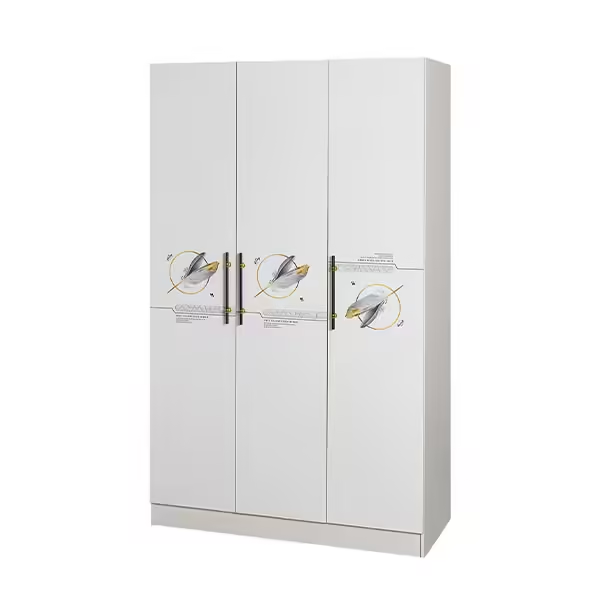
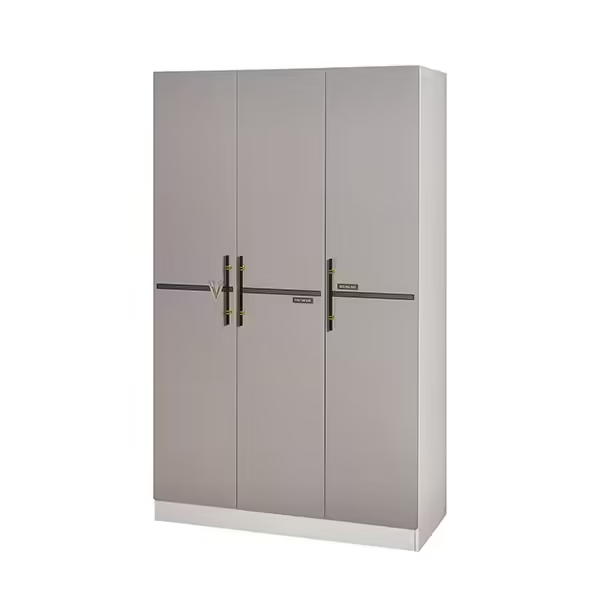
Many buyers overlook key factors when selecting wardrobes childrens furniture:
- Ignoring anti-tip safety features
- Choosing oversized designs that reduce usable space
- Underestimating future storage needs
- Focusing only on appearance rather than functionality
Avoiding these mistakes ensures better long-term usability and safety for children.
Conclusion
Choosing the right wardrobes childrens furniture requires a balance between safety, functionality, material quality, and design flexibility. From a manufacturing perspective, well-engineered wardrobes not only improve storage efficiency but also support safer and more organized living environments for children.
A carefully selected design can adapt as children grow, making it a long-term investment rather than a short-term furniture purchase.
FAQ
What are wardrobes childrens used for?
Wardrobes childrens are designed to store children’s clothing, toys, and daily essentials in an organized way. They help keep bedrooms tidy while making it easier for kids to access and manage their own belongings independently.
What size is suitable for wardrobes childrens furniture?
The ideal size depends on room space and storage needs, but most designs are lower in height and compact in depth to ensure easy access for children while maximizing available bedroom space.
What features should wardrobes childrens include?
Good designs typically include adjustable shelves, soft-close drawers, low hanging rails, anti-tip safety systems, and rounded edges to ensure both functionality and child safety.
Are wardrobes childrens safe for daily use?
Yes, when properly manufactured, they include safety features such as wall anchoring systems, non-toxic materials, and stable structures to prevent tipping or injury during daily use.
Can wardrobes childrens be customized?
Yes, many manufacturers offer customization options including size, internal layout, colors, materials, and themed designs to match different room styles and storage requirements.
Need Help Choosing the Right Wardrobes Childrens Solution?
If you’re unsure which size, design, or material is best for your project, our experts are here to help. Contact us today for a personalized consultation, and ensure your children’s wardrobe furniture is safe, functional, and built to high manufacturing standards. Don’t wait—get in touch now to create reliable and well-designed storage solutions for your market!