Table of Contents
Understanding
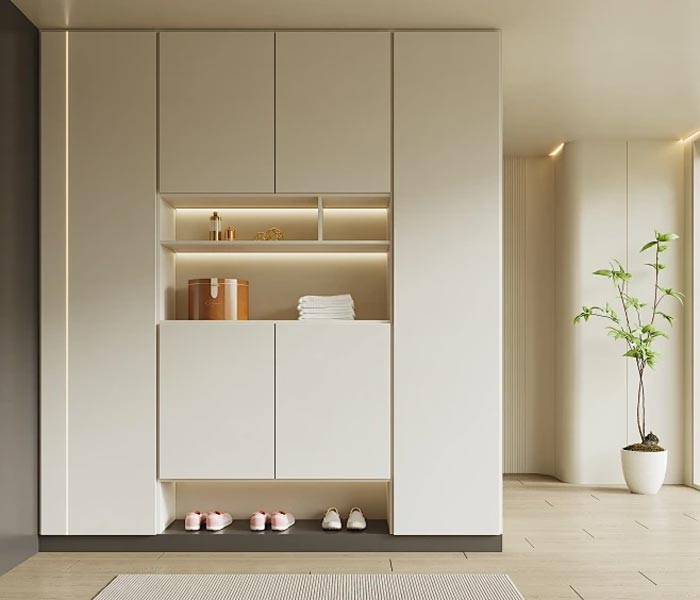
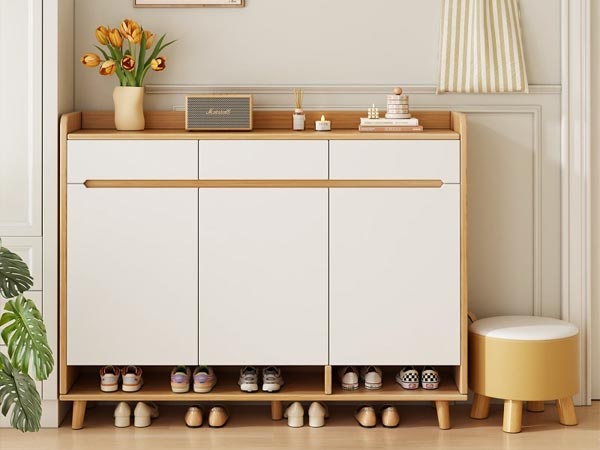
A large shoe storage cabinet is not simply an expanded storage unit; it is a carefully engineered solution designed to handle high-capacity organization while maintaining structural integrity and usability. From a manufacturer’s perspective, the design process involves optimizing materials, internal layout, and assembly methods to deliver both durability and efficiency.
As demand for organized living spaces increases, large shoe storage cabinet systems are becoming essential in modern interiors, especially for users with extensive footwear collections or shared household storage needs.
Why Large Shoe Cabinets Are in High Demand
The growing need for structured storage has made large shoe storage cabinet solutions increasingly popular. Consumers are looking for products that can accommodate multiple categories of footwear without clutter.
Key demand drivers include:
- Increasing footwear ownership and variety
- Need for organized and accessible storage
- Space-saving furniture preferences
- Demand for customized home storage solutions
A well-designed large shoe storage cabinet improves both functionality and visual organization.
Manufacturer’s Approach to Structural Design
From a production standpoint, structural design is critical for ensuring long-term performance. A large shoe cabinet must support weight distribution while maintaining stability over time.
Important design considerations include:
- Reinforced panel construction for load-bearing capacity
- Balanced internal support systems
- Ventilation features to prevent odor buildup
- Modular design for flexible assembly
These factors ensure that the cabinet performs efficiently under daily use.
Materials Used in Large Shoe Cabinet Manufacturing
Material selection plays a key role in product durability, cost, and design flexibility.
| Material Type | Durability | Maintenance | Best Application |
|---|---|---|---|
| Solid Wood | Very High | Moderate | Premium large shoe cabinets |
| MDF / Engineered Wood | Medium | Low | Cost-effective mass production |
| Metal | High | Low | Industrial-style storage |
| Plastic / Polymer | Medium | Low | Lightweight solutions |
| Composite Materials | High | Moderate | Custom modular designs |
Manufacturers often combine materials to balance strength, cost, and aesthetics.
Internal Layout Optimization
A large shoe cabinet must be designed with efficient internal organization to maximize usability.
Common layout features include:
- Adjustable shelving for different shoe sizes
- Tilt-out compartments for easy access
- Pull-out drawers for accessories
- Vertical storage zones for boots
- Hidden compartments for seasonal storage
This modular approach ensures flexibility for different user needs.
Design Styles in Large Shoe Cabinet Production
Manufacturers produce large shoe cabinet systems in a variety of styles:
- Minimalist designs with clean finishes
- Modern cabinets with concealed storage
- Multi-functional cabinets with seating or display areas
- Freestanding units for flexibility
- Built-in designs for integrated interiors
Each style requires specific production techniques and assembly processes.
Quality Control and Durability Standards
Manufacturers implement strict quality control processes to ensure long-term performance.
Key checks include:
- Load-bearing tests for shelves
- Surface resistance to scratches and wear
- Hardware durability testing (hinges, rails)
- Moisture resistance evaluation
Industry reports indicate that effective quality control can significantly reduce product defects and improve overall product lifespan.
Logistics and Installation Considerations
Efficient logistics and easy installation are essential for large furniture products.
Manufacturers focus on:
- Flat-pack designs to reduce shipping costs
- Modular components for easier assembly
- Protective packaging to prevent damage
- Clear installation instructions
These improvements enhance customer experience and reduce operational costs.
Common Manufacturing Challenges
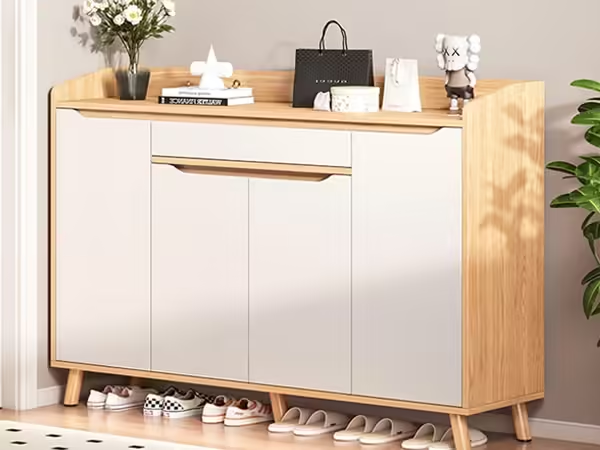
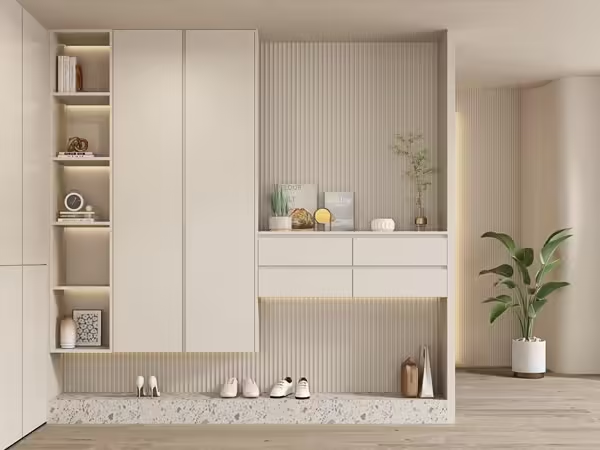
- Managing structural stability in large units
- Balancing cost and material quality
- Ensuring consistent production quality
- Optimizing packaging for transport
Addressing these challenges ensures reliable and scalable production.
Conclusion
A well-designed large shoe cabinet combines structural engineering, material selection, and smart layout planning to deliver efficient storage solutions. From a manufacturer’s perspective, balancing durability, customization, and production efficiency is key to meeting modern storage demands. As storage needs continue to grow, large shoe cabinets remain a practical and scalable solution for organized living.
FAQ
What is a large shoe cabinet?
A large shoe cabinet is a high-capacity storage unit designed to organize multiple pairs of shoes efficiently while maintaining accessibility and structure.
What materials are used in large shoe cabinet manufacturing?
Common materials include solid wood, MDF, metal, plastic, and composite materials depending on durability and design requirements.
Can large shoe cabinets be customized?
Yes, manufacturers often offer customization in size, layout, materials, and internal configurations.
What is the best design for a large shoe cabinet?
Modular designs with adjustable shelves and tilt-out compartments provide the best balance of capacity and usability.
Are large shoe cabinets durable?
High-quality cabinets made with proper materials and manufacturing standards can last many years with minimal maintenance.
Need Help Choosing the Right Large Shoe Cabinet Solution?
If you’re looking for a reliable manufacturer for custom or bulk shoe cabinet production, our experts are here to help. Contact us today for professional design support, material recommendations, and tailored manufacturing solutions. Don’t wait—get in touch now to create high-quality storage solutions for your market!