Table of Contents
Understanding
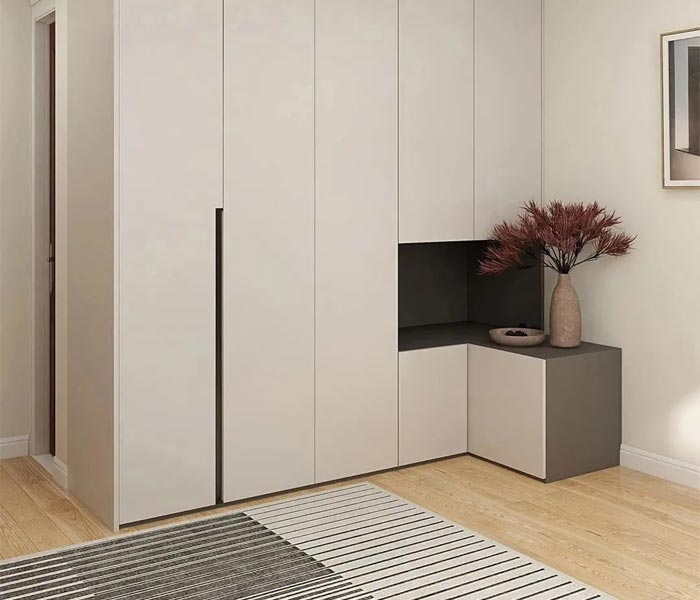
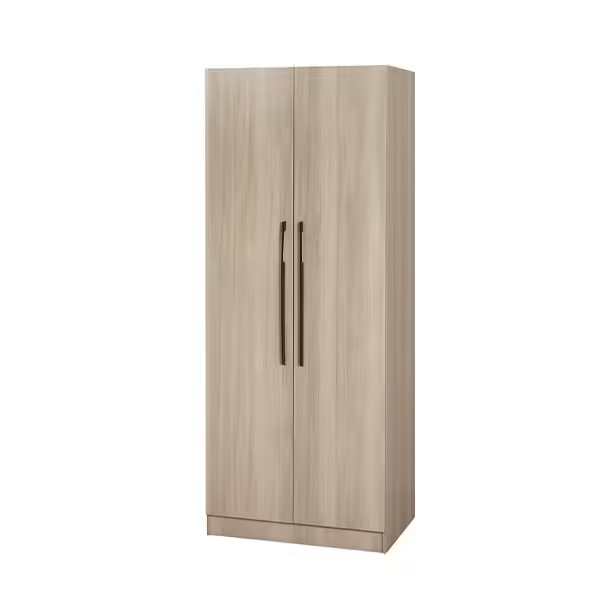
A wood wardrobe closet is a storage solution built primarily from wood or engineered wood materials, designed to provide durability, aesthetic appeal, and long-term functionality. From a manufacturing perspective, it involves precise material selection, structural engineering, and finishing processes to ensure consistent quality.
Wood remains one of the most preferred materials in wardrobe production due to its strength, versatility, and ability to adapt to various interior styles.
Why Wood Wardrobe Closets Remain Popular
Despite the availability of alternative materials, wood wardrobe closet systems continue to dominate the market due to their reliability and design flexibility.
Key advantages include:
- Strong structural stability
- Natural aesthetic appeal
- High customization potential
- Long service life with proper care
Industry observations show that wood-based storage solutions are widely favored for both residential and commercial applications.
Manufacturer’s Approach to Structural Design
From a production standpoint, designing a wood wardrobe closet requires attention to load distribution, panel thickness, and joinery methods.
Important structural factors include:
- Reinforced frame construction
- Balanced shelf load capacity
- Durable joint connections
- Resistance to warping and deformation
These considerations ensure that the wardrobe maintains performance over time.
Materials Used in Wood Wardrobe Closet Production
Material choice directly impacts cost, durability, and appearance.
| Material Type | Durability | Maintenance | Best Application |
|---|---|---|---|
| Solid Wood | Very High | Moderate | Premium wardrobes |
| MDF | Medium | Low | Cost-effective solutions |
| Plywood | High | Low | Structural stability |
| Veneered Panels | Medium-High | Moderate | Decorative finishes |
| Composite Wood | High | Moderate | Custom engineered wardrobes |
Manufacturers often combine materials to optimize cost and performance.
Design Styles for Wood Wardrobe Closet Systems
Wood wardrobe closet designs can adapt to various interior styles:
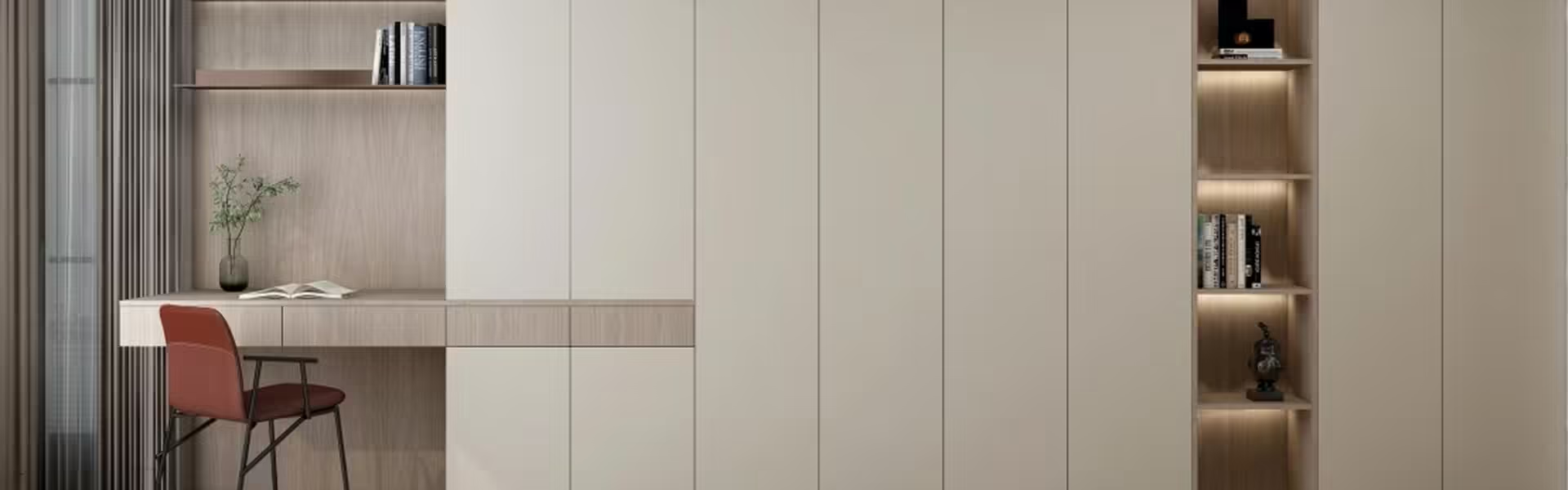
- Minimalist flat-panel designs
- Classic wood grain finishes
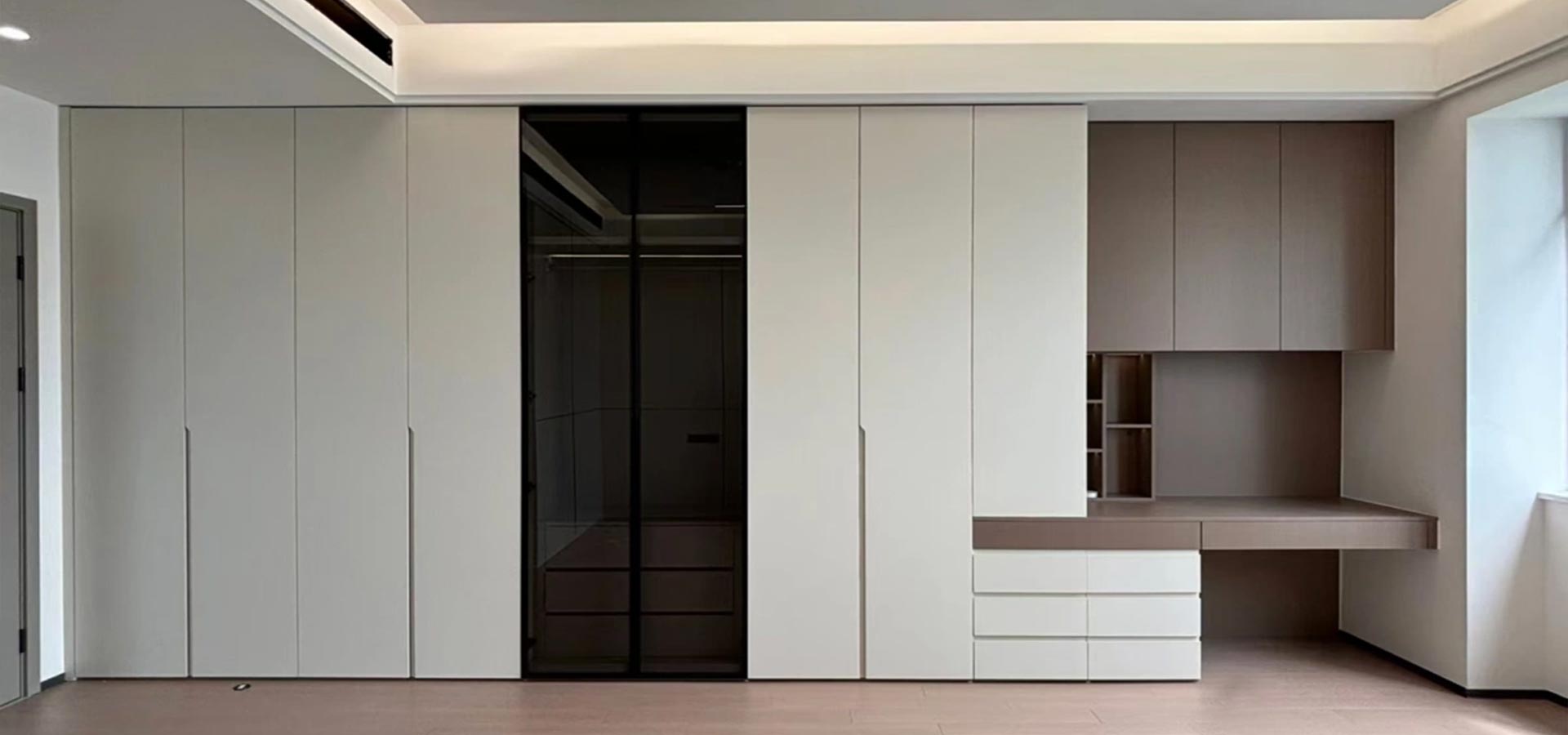
- Modern wardrobes with clean lines
- Floor-to-ceiling storage systems
- Modular wardrobes for flexibility
Each style requires specific production techniques and finishing processes.
Internal Layout Optimization
Efficient internal design is essential for maximizing usability.
Common features include:
- Adjustable shelving systems
- Hanging rails for different clothing types
- Pull-out drawers for accessories
- Dedicated shoe compartments
- Hidden storage sections
A modular layout allows manufacturers to customize designs for different user needs.
Finishing and Surface Treatment
Surface finishing plays a key role in both appearance and durability.
Common finishing methods include:
- Lamination for moisture resistance
- Veneer finishes for natural wood look
- Painted finishes for modern styles
- Protective coatings for scratch resistance
Proper finishing extends the lifespan of the wardrobe and improves user experience.
Quality Control in Manufacturing
To ensure product reliability, manufacturers implement strict quality control processes:
- Moisture content testing for wood panels
- Load-bearing tests for shelves
- Hardware durability testing
- Surface finish inspection
Studies in furniture manufacturing indicate that consistent quality control can significantly reduce product defects and increase customer satisfaction.
Installation and Logistics Considerations
Efficient logistics and installation are critical for large furniture products.
Manufacturers focus on:
- Modular design for easy assembly
- Flat-pack packaging to reduce shipping costs
- Pre-drilled components for quick installation
- Protective packaging to prevent damage
These strategies improve both delivery efficiency and end-user experience.
Common Manufacturing Challenges
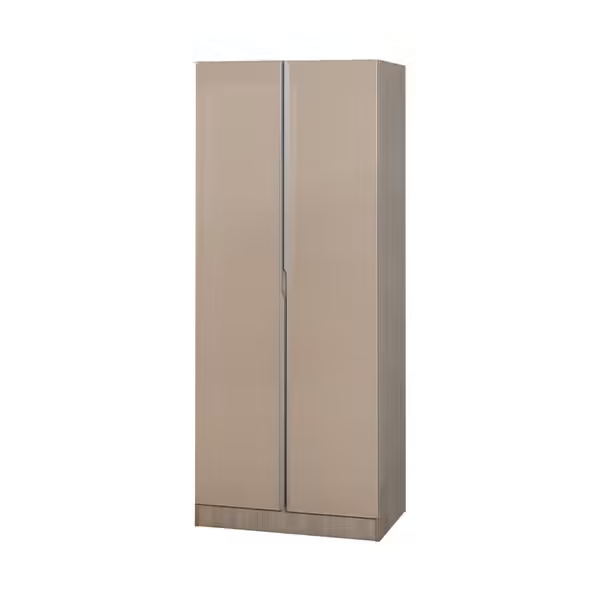
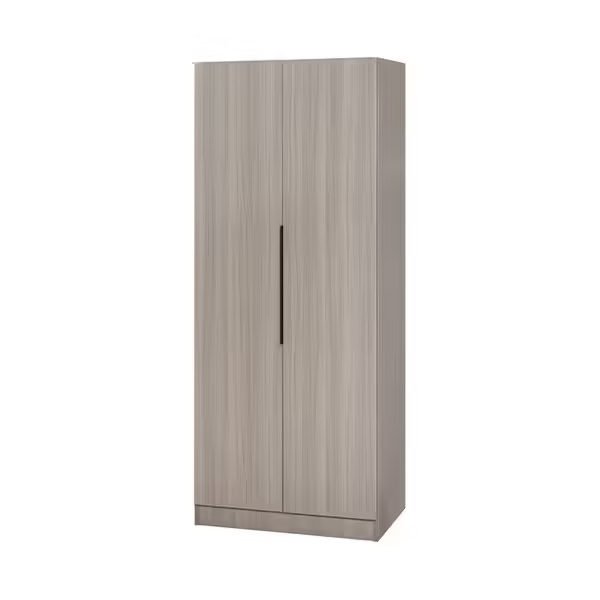
- Preventing wood deformation due to humidity
- Balancing cost with material quality
- Ensuring consistency in large-scale production
- Managing transportation of large units
Addressing these challenges ensures product reliability and scalability.
Conclusion
A well-designed wood wardrobe closet combines material quality, structural engineering, and functional layout to deliver long-lasting storage solutions. From a manufacturer’s perspective, optimizing materials, finishing, and production processes ensures both durability and design flexibility. As demand for reliable storage continues to grow, wood wardrobe closets remain a core product in furniture manufacturing.
FAQ
What is a wood wardrobe closet?
It is a storage unit made primarily from wood or engineered wood materials, designed for organizing clothing and accessories efficiently.
What materials are used in wood wardrobe closets?
Common materials include solid wood, MDF, plywood, veneer panels, and composite wood depending on design and budget.
Are wood wardrobe closets durable?
Yes, they can be customized in size, layout, materials, and finishes to meet specific requirements.
Can wood wardrobe closets be customized?
Yes, they can be customized in size, layout, materials, and finishes to meet specific requirements.
What is the best wood type for wardrobes?
Hardwood offers the highest durability, while engineered wood provides a balance between cost and performance.
Need Help Choosing the Right Wood Wardrobe Closet?
If you’re looking for a reliable manufacturer for custom or bulk wardrobe production, our experts are here to help. Contact us today for professional design support, material selection guidance, and tailored manufacturing solutions. Don’t wait—get in touch now to create durable and high-quality storage solutions!